

The Dallas Cowboys spending problem gets talked about every offseason, but I think fans sometimes frame it the wrong way.
Dallas gets called cheap all the time, and I understand why. When free agency opens, Cowboys fans usually spend their first few days refreshing their fans just to find the free agent we wanted signed somewhere else.
The Eagles, Rams, and 49ers never seem afraid to push money down the road. We watch these teams attack their needs with proven players, while Dallas sits back and waits for the market to cool off.
Then, after we have refreshed our phones so much, our finger hurts, and we realize that most of the big name free agents are gone. Followed by the Cowboys showing up with a bargain bin signing, a depth piece, or some veteran they think they can squeeze one more year out of.
That’s why the cheap label sticks.
The problem is, I don’t think cheap is the right word. The Cowboys spend money, but they spend too much of it in the wrong place.
Why Cowboys Fans Call Dallas Cheap
Cowboys fans call Dallas cheap because they rarely act aggressive when big-name free agents are available.
We know they don’t chase the expensive outside players, and don’t normally make the kind of move in March that tells the fan base they are all-in. Most years, Dallas watches the top of the market from the porch, waits for the price drop, and then tries to sell everyone on value.
I get the plan in theory.
You can’t build the whole roster through free agency. That’s how teams get old, expensive, and stuck. Good organizations draft well, develop their own talent, and use free agency to fill holes.
The problem I see is Dallas doesn’t use free agency enough to finish the job. Instead, we hear the same line every year, “We like our guys.”
That sounds fine until those same guys are part of the reason the roster keeps coming up short.
I don’t think the Cowboys are cheap. I think they are stubborn. They spend plenty of money, but too much of it goes to familiar players, risky projections, and second contracts that get uncomfortable before the ink dries.
That’s a bigger problem than being cheap.
The Cowboys Keep Paying For Hope
The Cowboys have built their roster around a simple idea. Draft well, develop your own players, and pay the ones worth keeping.
I have no issue with that. In fact, that should be the foundation of every good football team. You don’t want to live every offseason chasing someone else’s players because you failed to find your own.
Dallas has taken that mindset too far. That is one of the problems.
The Cowboys fall in love with their own evaluations. They trust their process. Whether that be their evaluations, scouts, rehab process, or the best version of a player they remember instead of being honest with themselves about the player standing in front of them.
That is how a team ends up paying for hope instead of production.
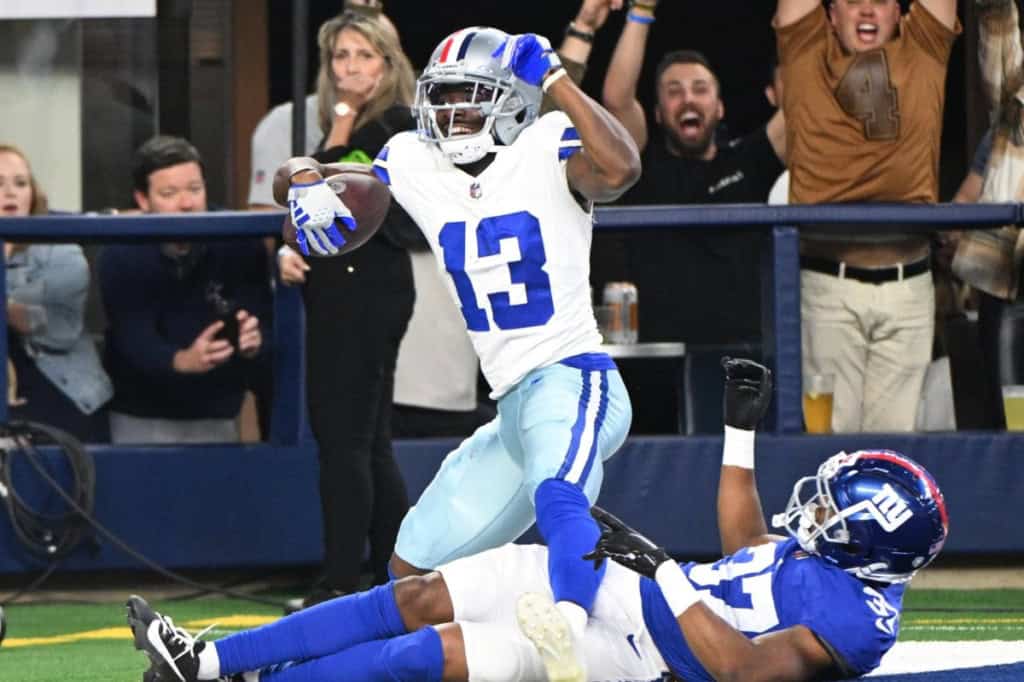
Michael Gallup is one of the easiest examples. I liked Gallup, and I think most fans did. He played hard, made tough catches, and was easy to cheer for, but Dallas gave him a five-year contract right after he tore his ACL, and that decision didn’t make sense.
I know that deal wasn’t about what Gallup was at the moment. It was about what Dallas hoped he would become again.
To make the problem worse, the Cowboys traded Amari Cooper for next to nothing and acted like Gallup could replace that production coming off a major knee injury.
That was the front office talking themselves into a plan because they wanted it to be right.
There’s a difference between believing in a player and building your roster, like the injury never happened.
Jaylon Smith Helps Explain The Problem
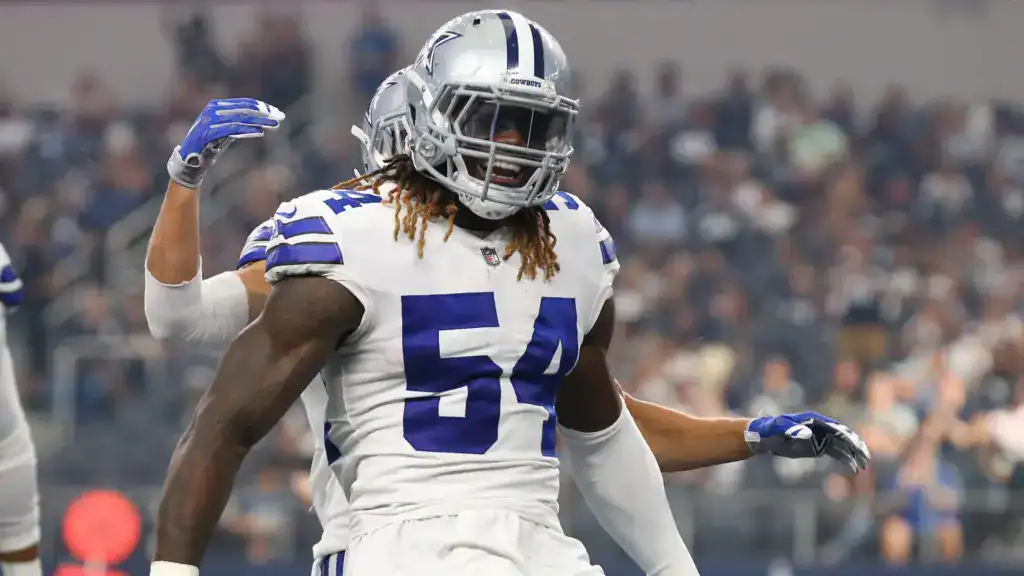
Jaylon Smith fits this same conversation.
I think his comeback story was incredible, and nobody should take that away from him.
Coming back from that devastating knee injury at Notre Dame was nothing short of a miracle. We watched him fight his way back onto the field, be productive, and gave Dallas a reason to believe.
The Cowboys paid him like the comeback was complete. That is where the Cowboys got themselves in trouble.
I don’t believe the Cowboys pay players for what they are, but for what they hope they can still become.
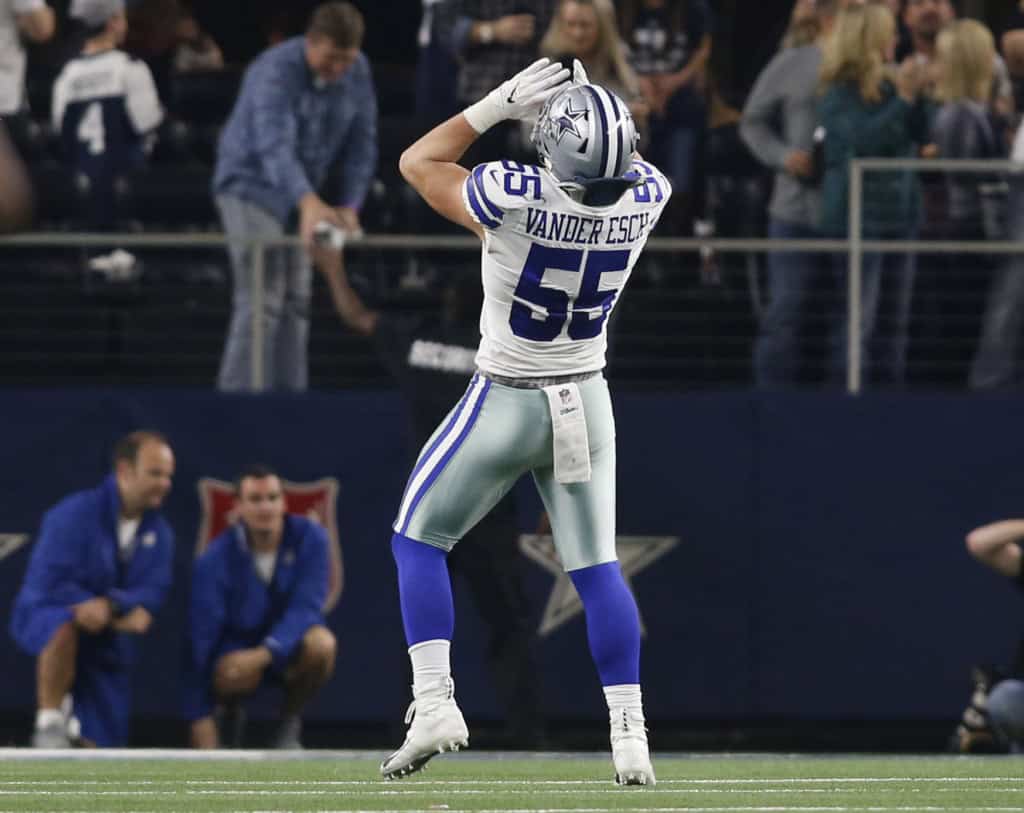
Injuries Made The Same Problem Worse
Leighton Vander Esch is slightly different because his later deal didn’t wreck the salary cap, but he still fits the bigger picture.
Everybody knew the neck concerns were real, but availability should have been part of the evaluation. LVE gave Dallas everything he had, and I don’t want to blame him for the injuries. Football is a brutal sport, but being on the field should have mattered to the front office.
Dallas seems more willing to take risks when the player is one of their own.
Terence Steele is the latest example. He’s another great story as an undrafted free agent and teams love to reward those guys.
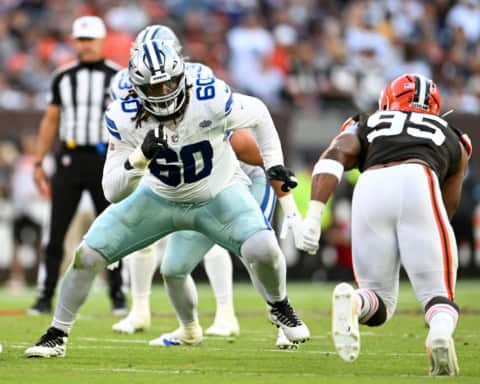
I don’t see anything wrong with that part, but paying a right tackle coming off an ACL injury before he fully proved he was capable was risky.
The deal was built more on projection than proof that a problem.
Something familiar keeps showing up with these players.
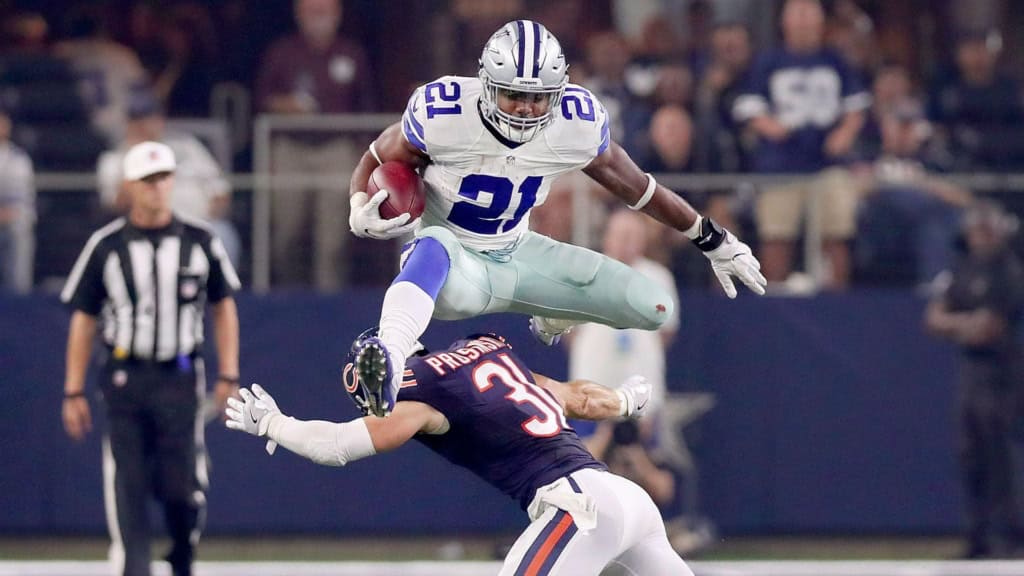
Not Just Injury Problems
I want everyone to know injuries aren’t the only issue. The Cowboys have also paid players they drafted after the production, role, or value stopped matching the contract.
Ezekiel Elliott is the easy example. Zeke was a great Cowboy, and I don’t know if anyone can say otherwise, but paying a running back top of the market money (6 years, $90 million) after running him into the ground was dangerous.
Dallas was paying for what he was, not what a player at that position becomes after that kind of mileage.
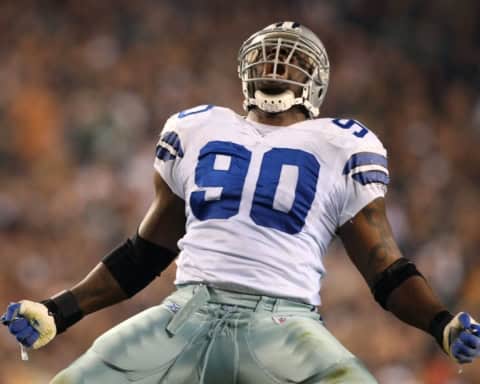
Tyrone Crawford is another guy I want to talk about. He was useful, versatile, and respected, but his production never matched the size of the deal (5 years, $45 million).
Terence Williams falls into that category as well. This was another contract (4 years, $17 million) that didn’t wreck the cap, but Dallas still chose comfort over upgrading the room.
I don’t think every contract is about injuries. Sometimes it is about holding on for too long, paying a player for what he did yesterday, and trusting familiarity because change is uncomfortable.
That’s where I think Dallas has to get better. The Cowboys don’t always pay the player they’re getting. Too often they pay the player they remember.
Was this helpful?


6 Comments
Comments are closed.