

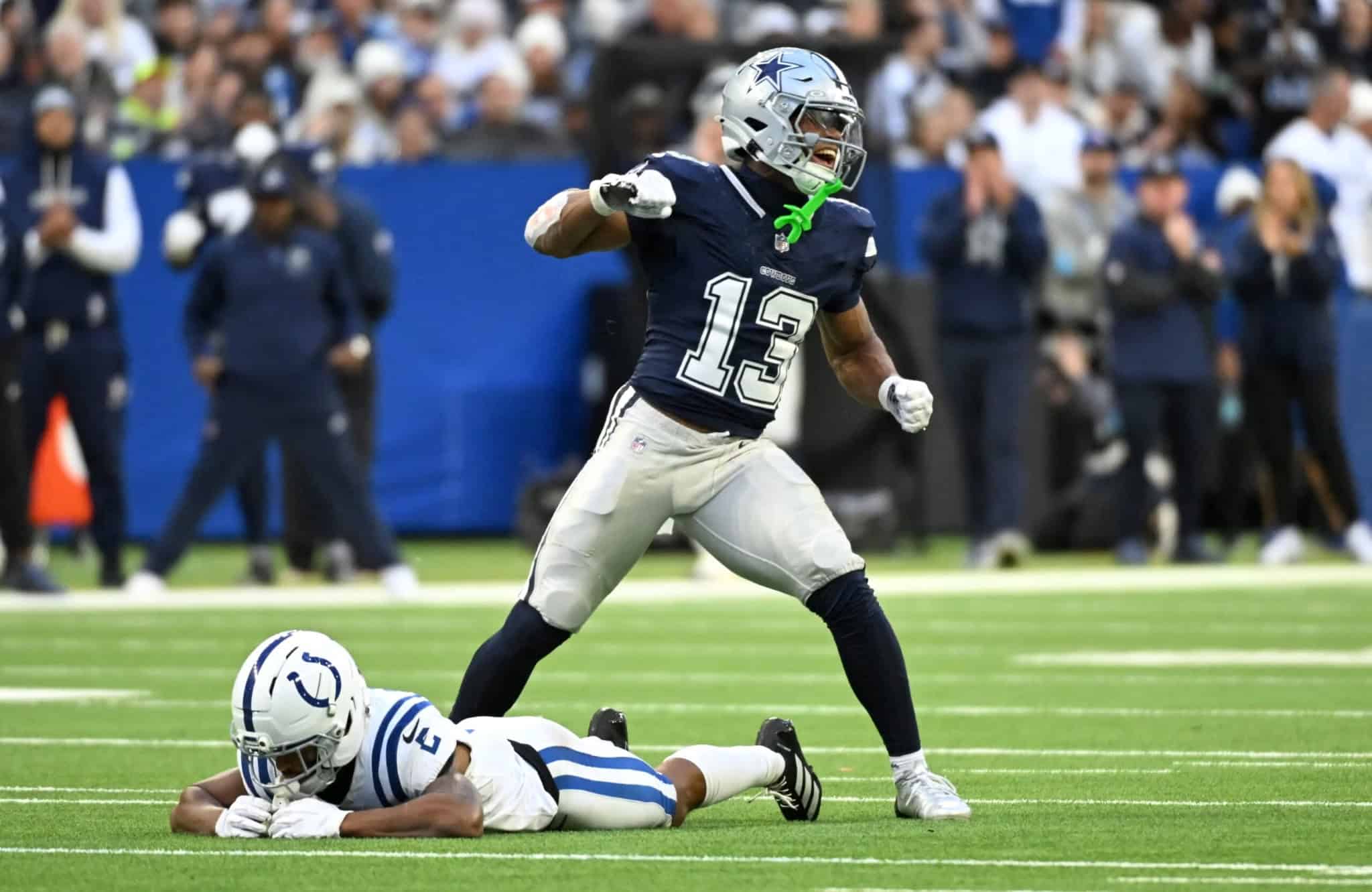
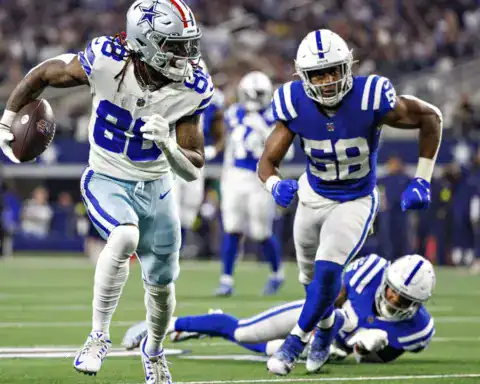
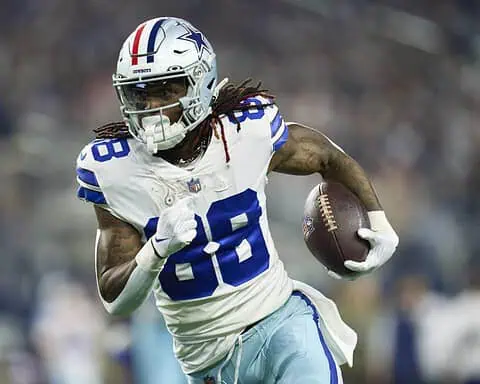
I looked at the Cowboys’ next possessions after every stop by the defense against the Cardinals and Colts. One Javonte Williams run accounted for 15 of the 17 yards Dallas gained on those chances after halftime.
We all remember the Cowboys needed a field goal to beat Arizona in overtime. After watching Gardner Minshew lead four straight touchdown drives, I figured getting the ball back would be the hard part.
Quinnen Williams sacked Minshew on first down, Arizona punted, and Dak Prescott took over at his own 29. Javonte Williams gained two yards, Dak missed CeeDee Lamb, and Josh Sweat sacked Dak.
A minute and a half after Christian Parker’s defense got the stop we all wanted, his defense was back on the field.
A week later in Indianapolis, Dallas won 27-23, and I was having a déjà vu moment with Brian Schottenheimer’s offense. How many times does his defense have to hand him the ball before his offense does something with it?
Man, that was a weird sentence to write after the first part of the season.
I counted 14 stops by the defense against Arizona and Indianapolis that gave Dallas a possession it could use to score. In that count is forced punts, takeaways, and fourth-down stops.
Dallas scored three touchdowns.
The other 11 ended in eight punts, a failed fourth down, a fumble, and a missed kick. Five of the punts were three-and-outs. Before anyone says anything, I left out the Caleb Downs interception that sealed the win versus the Colts because all Dak did was take a knee.
After halftime, including overtime, Dallas punted on all four chances. The drives went for one yard, minus-five, minus-three, and 24. That last one started with Javonte Williams’ 15-yard run after Jonathan Taylor fumbled.
Even then, Dallas couldn’t get a second first down, with a defense that is finally playing well enough to win games.
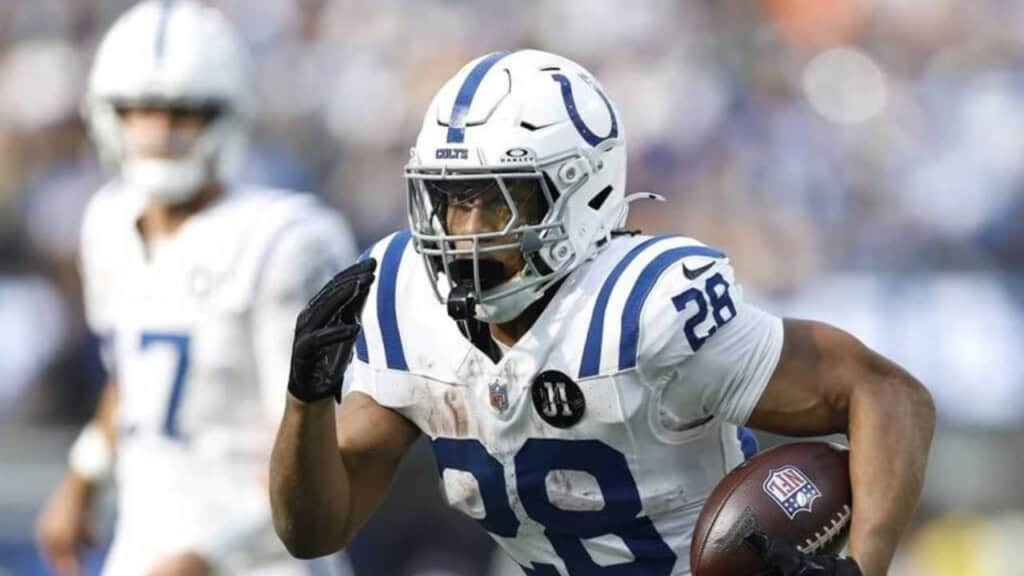
The Colts Went Three-and-Out Three Straight Times
I love that Dallas got a win against Indianapolis, but it shouldn’t have been that hard.
Dallas led the Colts 10-7 in the second quarter when Parker’s defense forced three consecutive three-and-outs.
The Cowboys punted it right back three times. On the last of those possessions, Williams opened with a 14-yard run, Lamb was flagged for a false start, the penalties piled up, and Dallas eventually punted on fourth-and-18.
It took a fourth straight Colts punt before Brian Schottenheimer and Dak Prescott made them pay. Dak got the ball at his 25 with 49 seconds left and found Lamb for a 44-yard touchdown before halftime.
This is the aggravating part for me. The same quarterback, receiver, and a whole lot more time all ended three times with a Bryan Anger punt.
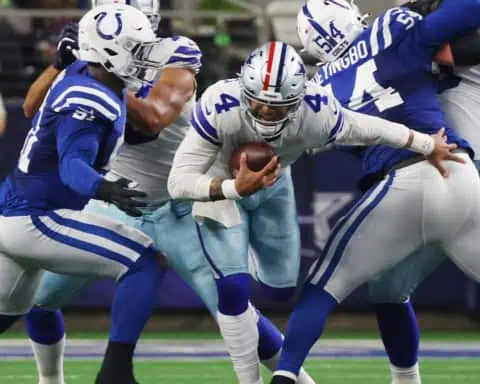
I know Schottenheimer didn’t fumble when Dallas faced third-and-8 at its own 21. Dak did. Indianapolis took over at the Dallas 19. That’s how the Colts scored their first touchdown.
Against Arizona, Shemar James returned an interception to the 5 for a big stop by the defense. Two snaps later, James Mitchell had to fall on Javonet Williiams’ fumble in the end zone to get Dallas a touchdown.
I can complain about Schottenheimer’s play calling all day long, but still expect his quarterback and running back to hold onto the ball.
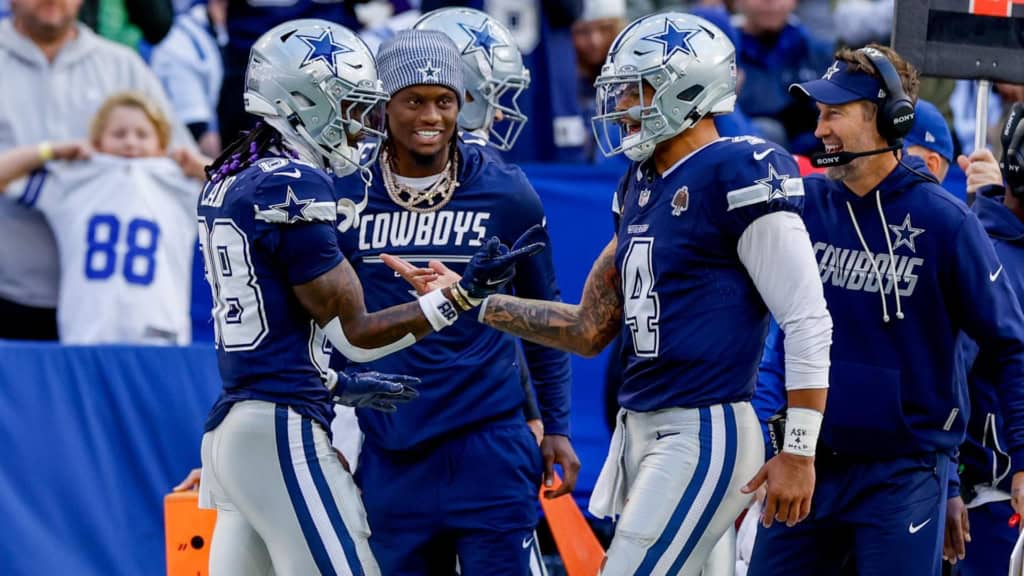
Why Go For It at the Dallas 32 and Punt from the 39?
In the Arizona game, Schottenheimer made the decision to go for it on fourth-and-1 at his own 32 in a scoreless first quarter. We have to take the points, but instead the call was to hand it off to Williams for a loss of two.
The rookie on the defense, Caleb Downs, bailed him out by stuffing Jermeiyah Love on fourth-and-goal, and the Dallas offense thanked him with three yards and a punt.
A week later, Dallas led the Colts 20-17 in the fourth when Quinnen Williams knocked the ball loose from Jonathan Taylor. We watched the next offensive possession as Williams ripped off 15 yards on the first snap.
Three plays later, Dak hit Lamb for five on third-and-6. Now fourth-and-1 at the Dallas 39, but this time Schottenheimer punted. By the time Dak saw the ball again, the lead was gone.
Schottenheimer was playing scared, like most days, with his pedestrian play calling and designs. I understand getting stuffed at the 39 and the Colts are close to a tying kick, but I liked Dallas’ chances of getting a yard behind a back who finished with 101 yards.
If field position bothered Schottenheimer that much, what was he thinking a week earlier at his own 32?
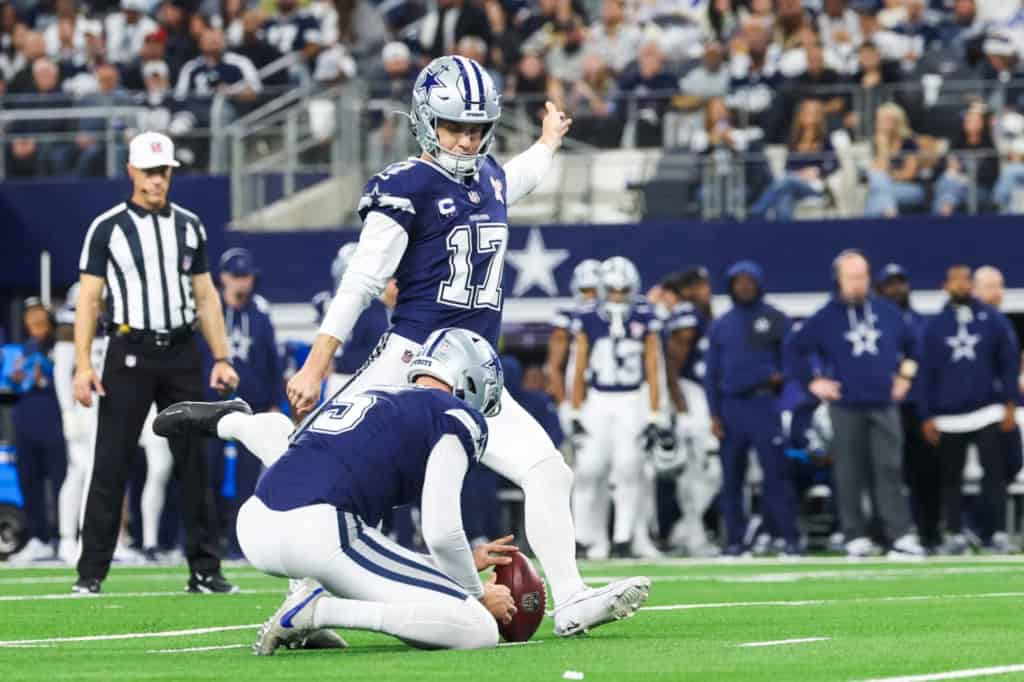
I Don’t Pencil in Three for Brandon Aubrey Anymore
We were down to 2:11 left against Arizona, Dallas recovered the onside kick attempt and took over at the Cardinals’ 20, up three. On third-and-16, Schottenheimer called a run play. Yes, a run play.
Aubrey made it 30-24, but Minshew still had 1:09 left. He needed 1:03 and Parker owns every bit of the next 80-yard drive. But I’d still like to know why, after watching Arizona score three straight touchdowns, Schottenheimer was good giving the ball back to him.
Brandon Aubrey made all five field goals under 50 yards in these two games, but he missed both from 50 or longer. I can live with the miss from 61 before halftime against the Cardinals, but the 50-yarder in a tie at Indianapolis is one I expect him to make.
Yes, I know the snap skipped, but Anger got it down, and Aubrey pulled it left. While on the other side, Spencer Schrader had just tied the game from 59. On the next Colts possession, he made it from 50.
Aubrey is 17 for 22 this season, including two blocks. I still trust him from 41, but from 50 in a tie game I’m starting to hold my breath. It would be nice if I could see Schottenheimer call a third down play like Dallas still needs a first down when he reaches the 35.
Of those two fourth downs, the one I wanted Schottenheimer to go for was the one he punted. Give Javonte Williams the at the 39, and if he gets stuffed, I’ll take my chances with the same defense that just took the ball away from Jonathan Taylor.
That last paragraph is how untrustworthy I think Brian Schottenheimer’s play calling is, and that should speak volumes after what we have seen with this defense all year.
Was this helpful?




Comments