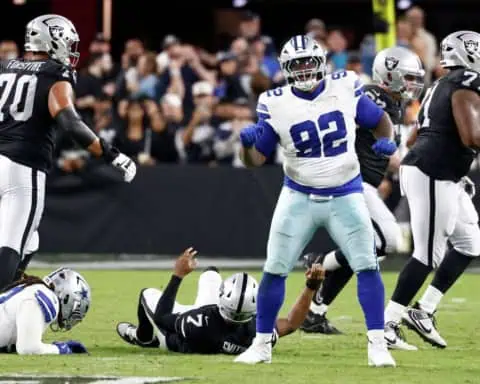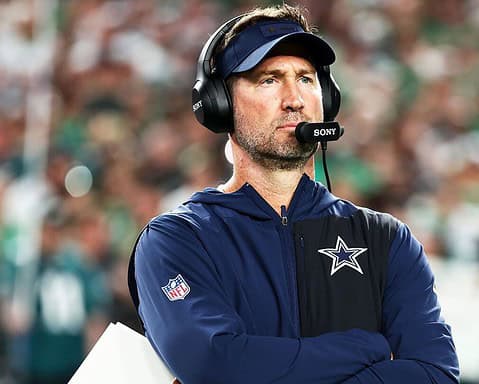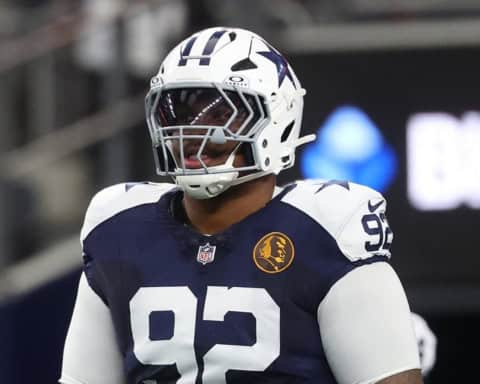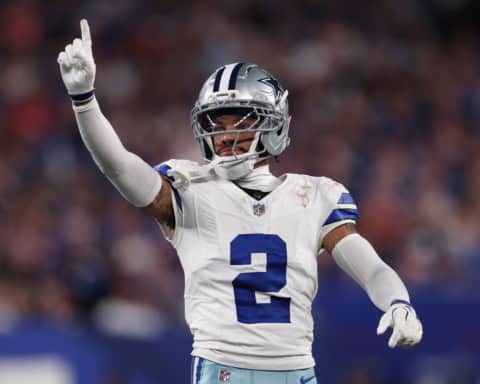
The Dallas Cowboys have long understood the value of pressure, but the next step for the defense is making the pass rush less dependent on one dominant name. If Dallas wants to create more consistent disruption across a full season, the entire rotation must contribute.
The Cowboys’ defense has often looked at its best when the pass rush controls the tempo. Pressure changes everything. It speeds up quarterbacks, forces rushed throws, protects the secondary and creates the kind of momentum-changing plays that can swing games.
Dallas has star power, but star power alone is not enough when the season stretches into December and January.
Modern NFL offenses are too prepared to let one rusher wreck the game every week. They slide protection, chip with tight ends, use quick throws and move the pocket to reduce the impact of elite edge players.
That means the Cowboys need pressure from multiple places and multiple bodies. In the same way that entertainment brands like NetEnt became known by offering variety rather than relying on one format, Dallas needs a defensive approach built on options, depth and constant movement.
1 dominant rusher cannot carry every snap
Having a true game-changing pass rusher is a luxury, but it can also create a hidden problem. When a defense becomes too dependent on one player, opposing offenses build their entire protection plan around him.
The star still gets attention and may still create impact, but the rest of the rush must take advantage of the opportunities that attention creates.
If the Cowboys only win when their top edge threat wins, the defense becomes easier to manage. Opponents can use extra blockers, call faster concepts and force Dallas to prove that pressure can come from elsewhere.
That is why secondary rushers are so important. The second edge defender, the interior tackles, rotational linemen and blitzing linebackers all need to create enough stress to punish protection schemes.
A full rotation also helps protect the star player. Pass rushing is exhausting work. Repeatedly fighting double teams, chips and physical offensive tackles over a full season wears on even the best athletes.
If Dallas can keep its top rushers fresher with a reliable rotation, their most explosive snaps are more likely to appear in the fourth quarter and late in the season.
The playoffs often expose teams that lack depth. A defense may look dominant in isolated matchups, but postseason offenses are better at identifying weaknesses. If Dallas wants its pass rush to travel into bigger games, it cannot be a one-man operation.
Interior pressure changes the entire defense
Edge pressure gets most of the attention, but interior pressure can be even more disruptive.
Quarterbacks are trained to step up when pressure comes from the outside. When the pocket collapses through the middle, the quarterback has fewer clean answers. Footwork breaks down, throwing lanes disappear and timing becomes uncomfortable.
For the Cowboys, generating interior push should be a major priority. Defensive tackles do not always need huge sack numbers to matter.
They can affect the game by forcing quarterbacks off their spot, occupying blockers and creating cleaner paths for edge rushers. A strong interior presence makes the entire pass rush feel faster.
This also helps the secondary. Defensive backs cannot cover forever, especially in a league built around spacing and explosive receivers. If the front can consistently shorten the time a quarterback has to throw, coverage becomes easier. Corners can play more aggressively. Safeties can disguise looks longer.
Linebackers can attack underneath routes with more confidence.
Interior pressure also matters against mobile quarterbacks. Athletic passers are often comfortable escaping around the edge if the pocket stays clean inside.
When pressure comes up the middle, escape routes become less predictable. That gives edge defenders a better chance to finish plays rather than simply chase.
The Cowboys do not need every interior lineman to become a star. They need a group that can create enough disruption to keep offensive lines honest. If guards and centers have to worry about losing quickly inside, they cannot always help on the edge.
Rotation depth creates pressure that lasts
The best pass rushing teams do not only win with talent. They win with waves. Fresh legs in the second half can be the difference between a near sack and a drive-ending play. That is why Dallas needs meaningful snaps from its full defensive line, not just the most recognizable names.
Rotational players must bring defined value. One defender might specialize in early-down power. Another may provide speed on passing downs.
A third might offer inside-outside flexibility. When each player has a clear role, the coaching staff can build packages that attack different protection looks and offensive tendencies.
Snap management is part of this equation. Playing the best rushers too much can create short-term pressure but long-term fatigue. Using the rotation wisely allows Dallas to keep intensity high without losing effectiveness late in games.
A pass rush that is still explosive in the final six minutes is far more dangerous than one that peaks early and fades.
Blitz usage also becomes more effective when the front four is credible. If the Cowboys can create pressure without always sending extra rushers, the defense gains flexibility.
Coordinators can choose when to blitz rather than feeling forced to manufacture pressure. That makes the entire unit less predictable.
The Cowboys have the foundation to build a dangerous rush. The next step is making it deeper, more balanced and harder to scheme against.
A full rotation effort would not reduce the importance of the stars. It would make those stars even more difficult to handle.
Was this helpful?