

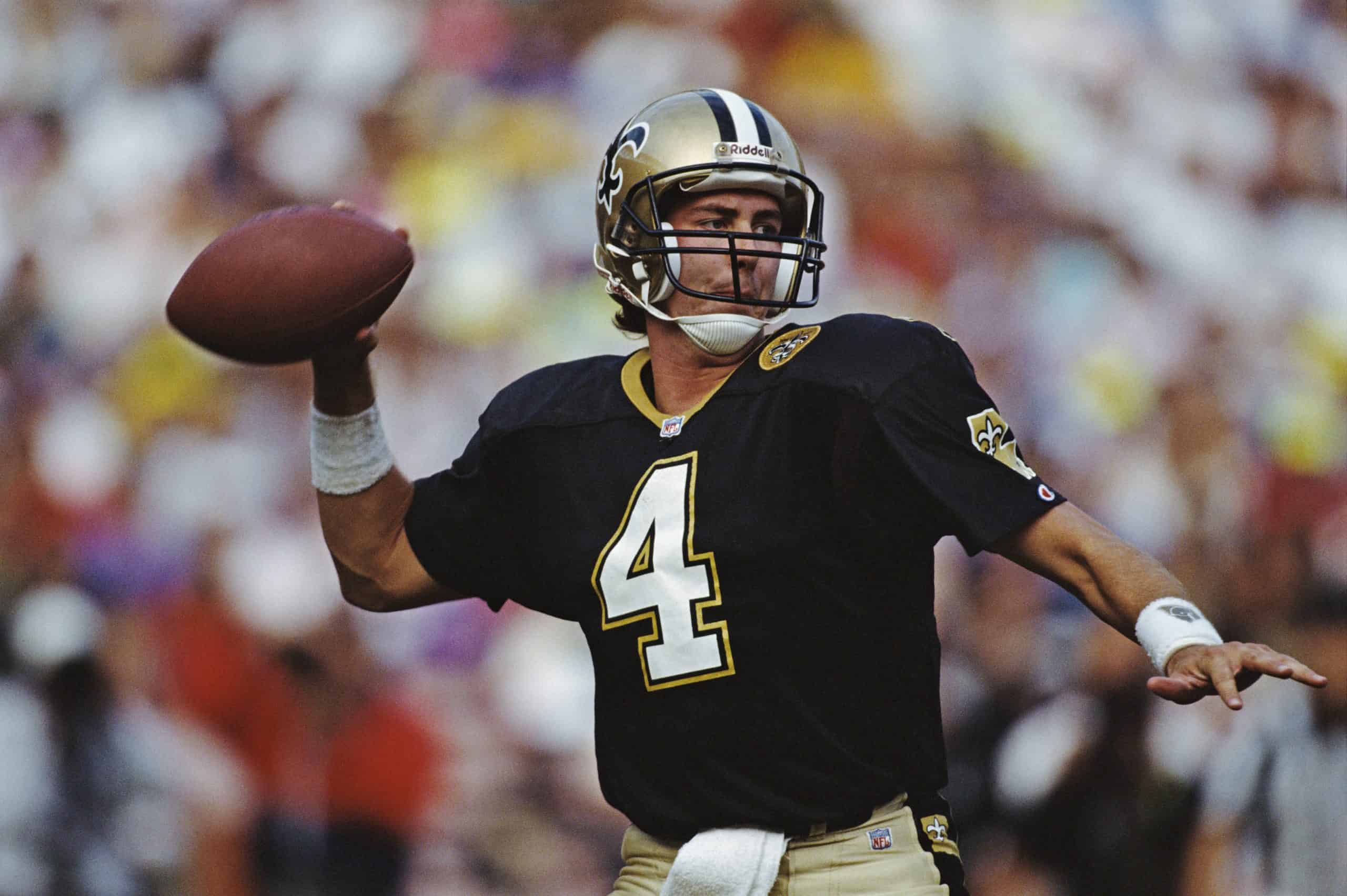
The Cowboys weren’t scared to swing big with a trade, even if it didn’t always pay off.
I respected that about the front office when Jerry Jones was the real one in charge. I would rather the Cowboys be aggressive than be too scared to make a move.
I also want to point out that aggression and bad aggression aren’t the same thing. Dallas has made some trades that built winners. These next four trades are the ones that burned draft capital, created regret, and still bother me years later.
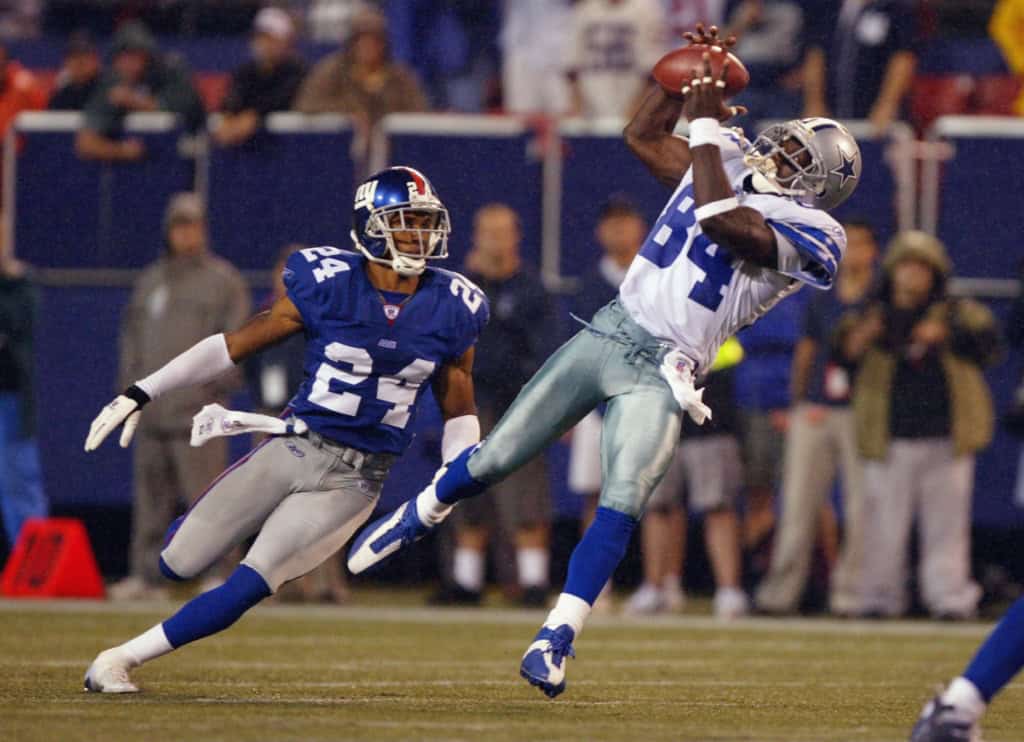
1. The Joey Galloway Trade
This is the worst trade for me.
Dallas sent Seattle two first-round picks for Joey Galloway in 2000. That is a massive price to pay for any receiver, but it gets worse because I knew the Cowboys were not player away.
This wasn’t a dynasty adding one final piece. If you remember, it was an aging roster with Super Bowl stars past their prime. A fading team trying to buy speed and pretend the window was still open.
Then the worst case scenario happened.
Galloway tore his ACL in his first game with Dallas.
I can’t blame a guy for an injury. It was just bad luck, but it showed why the trade was so dangerous. When you give up two first-rounders for one player, there isn’t any cushion for it to go wrong.
If that player doesn’t become a franchise-changing weapon, the whole move looks terrible, and it did.
The pick damage made it look even uglier in my opinion.
Dallas ended the season 8-8 in 1999, so that pick ended up becoming the 19th pick in the NFL Draft. Seattle used it on Shaun Alexander.
The 2001 first-round pick ended up being the number 7 pick in the draft. The Seahawks used it on Koren Robinson after a trade down.
Dallas didn’t just lose two first-round picks. It lost one pick that became an MVP running back and another pick that landed in the top-10 of the draft.
While Joey Galloway finished his Cowboys run with 151 catches, 2,341 yards, and 12 touchdowns in four seasons, he never topped 1,000 yards in a season as a Cowboy.
I don’t like that production for two first-rounders, but who could have known?
2. The Roy Williams Trade
I think we are starting to see a trend with the Cowboys and wide receivers, and the Roy Williams trade still makes no sense to me.
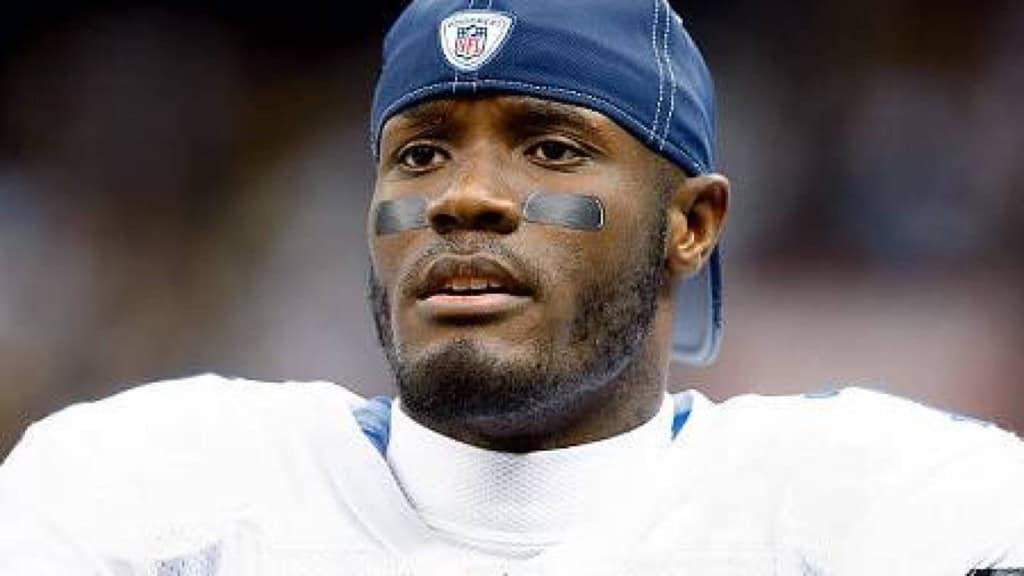
Dallas sent Detroit a first-round pick, third-round pick, and a sixth-round pick for Williams in 2008. That’s the price needed to be paid for a true WR1.
The problem is Dallas didn’t get a WR1.
Roy Williams’ best year with Dallas was 596 receiving yards and seven touchdowns. His entire Cowboys career was 94 catches, 1,324 yards, and 13 touchdowns. Talk about a let-down.
The draft slot makes this look much worse.
Dallas went 9-7 in 2008, so the first-rounder became number 20 overall. Detroit took Brandon Pettigrew, but if you look at who was sitting around him, it makes you sick.
Alex Mack went at 21, Percy Harvin at 22, Michael Oher at 23, and Clay Matthews at 26.
I would have taken any of those players over Roy Williams.
Dallas paid a premium for underwhelming production while impact players went in the draft slots of the traded pick. That’s how good teams get stuck in the mud for years.
3. The Amari Cooper Trade to Cleveland
This trade is different because the Cowboys were the team giving away a player.
Notice I said “giving away“, because that is exactly what they did.
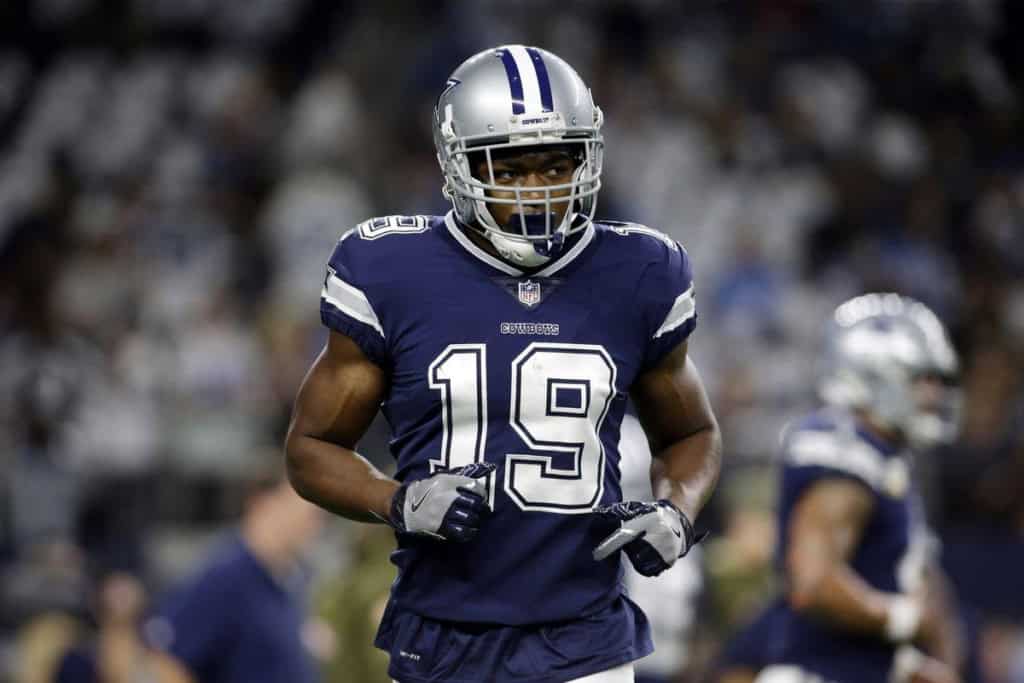
The Cowboys traded a disgruntled Amari Cooper to the Cleveland Browns for a fifth-round pick and a sixth-round swap. All because of a contract issue.
I know Dallas wanted the cap space and I understand the business side of it, but I still think the return was weak.
Amari Cooper had 292 catches, 3,893 yards, and 27 touchdowns in four seasons as a Cowboy. He gave the Cowboys elite route running, stability, and a real passing game answer.
Then Dallas moved him and tried to replace what they already had.
That was Dallas getting cheaper and not having a plan.
4. The Steve Walsh Supplemental Draft Cost
This one stings because the return didn’t come close to the price.
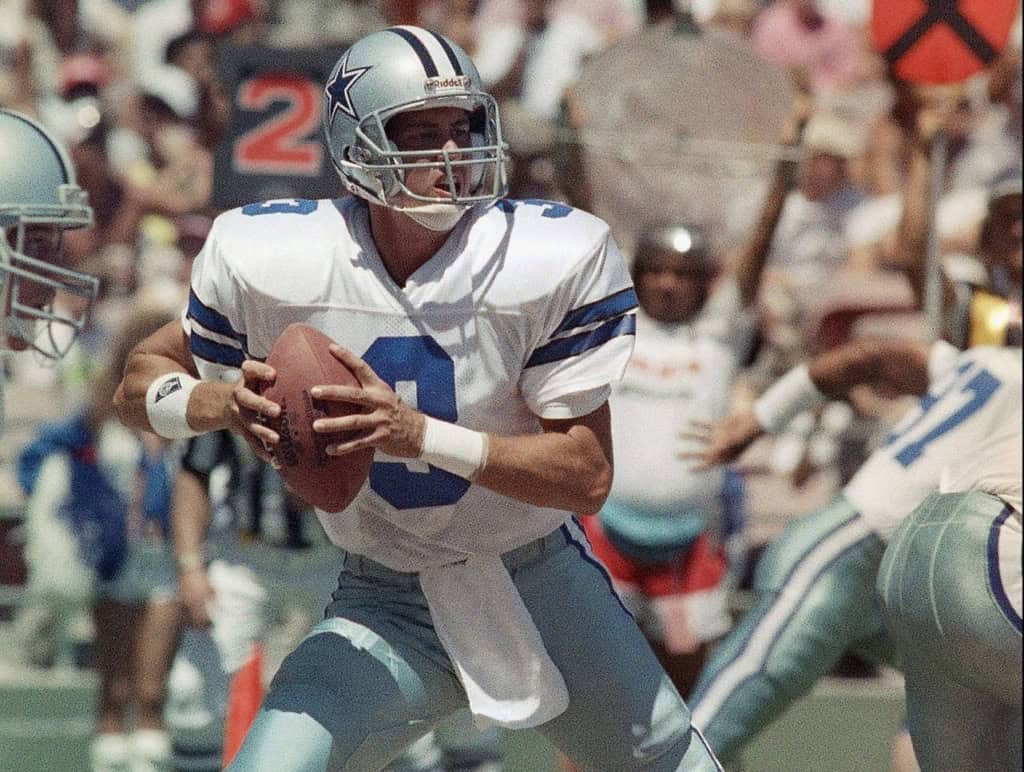
Dallas had already drafted Troy Aikman No. 1 overall in 1989. Then the Cowboys used a first-round supplemental pick on Steve Walsh the same year. Because Dallas went 1-15 that season, the pick became the first pick in the 1990 NFL Draft.
That draft had future Hall of Famers, who would have immediately helped the Cowboys.
Cortez Kennedy went No. 3 overall, Junior Seau went No. 5, and Richmond Webb No.9. Dallas did not just lose a pick. It lost access to elite talent at the top of the draft.
Walsh played one full season and three games in the second season in Dallas. His Cowboys career was eight games, five starts, a 1-4 record, 1,371 passing yards, five touchdowns, and nine interceptions.
I know Jimmy Johnson trusted Walsh from their time together at the University of Miami and Dallas got some value back, but I’m judging the original price against the Cowboys return.
The Problem With These Trades
The common thread is simple.
The Cowboys get in trouble when they get impatient. They chase a name and try to fix one problem with a big move. They can talk themselves into value that isn’t really there.
Galloway cost two first-rounders and gave Dallas 12 touchdowns, Roy Williams cost a first, third, and sixth and gave Dallas 94 catches. Amari Cooper was a proven weapon and sold for pennies on the dollar. Steve Walsh cost the Cowboys the first pick in the draft.
That’s not bad luck, that’s bad aggression, and these trades are proof.
Was this helpful?


2 Comments
Comments are closed.