


I’m not going to pretend halftime at the Super Bowl is background noise anymore. It used to be simple, for the most part. You watched the halftime show, complained about it online, and moved on.
This year wasn’t like that.
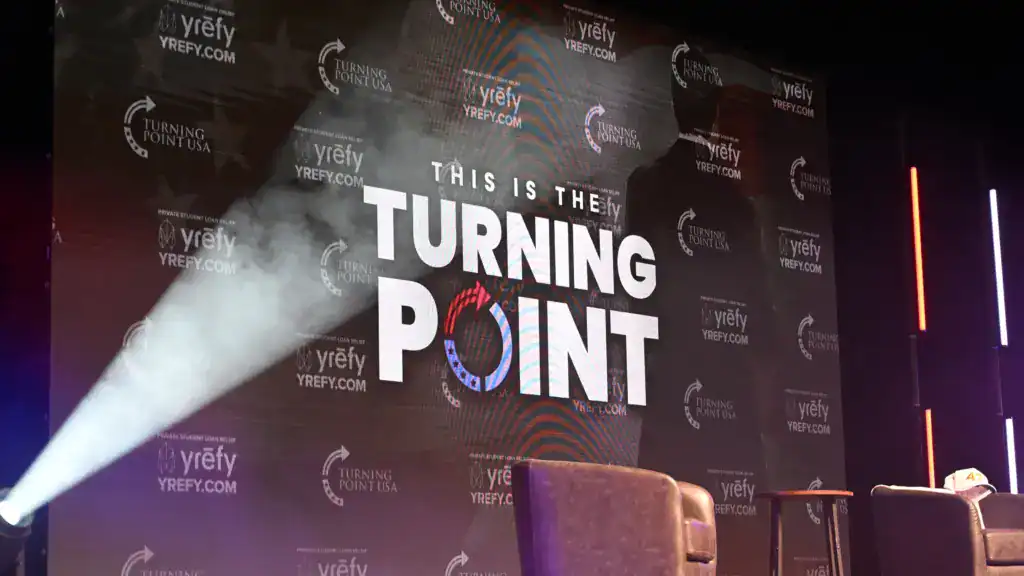
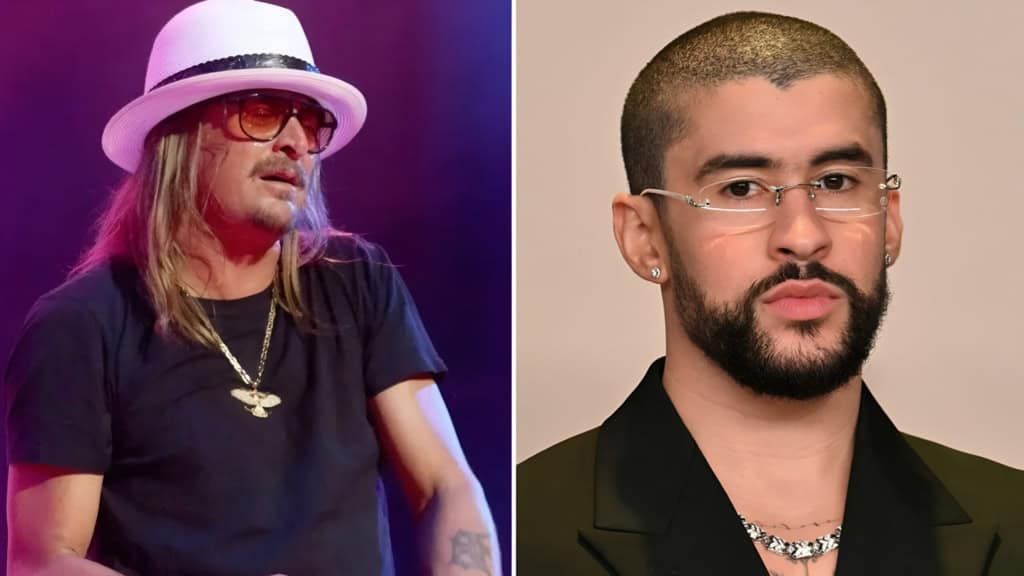
When Super Bowl LX went to halftime, there were two very different choices. Stay on the broadcast and watch Bad Bunny headline the official halftime show. Or flip over to Turning Point USA’s “All-American Halftime Show” and see what the alternative looked like.
I’m not here to argue which one was better. I’m more interested in the honest question people keep dancing around afterward:
Who did you actually watch?

The Official Halftime Show Still Owns the Biggest Stage
Let’s start with reality.
If you were watching the Super Bowl live, you were already on the channel when Bad Bunny took the stage. That matters because the official halftime show isn’t something you opt into, it’s part of the biggest TV broadcast of the year.
Early estimates circulating put Bad Bunny’s halftime performance at roughly 135 million viewers, once broadcast, streaming, and out-of-home viewing are included.
Final numbers will settle, but the takeaway doesn’t change.
The Super Bowl halftime show is still massive. Not because everyone loves the artist, or because everyone agrees on the performance, but because the Super Bowl halftime show still stops the country for 15 or so minutes.
I watched it as most people did. Whether someone loved it, hated it, or spent halftime scrolling on their phone, they were still counted.
Turning Point’s Halftime Show Wasn’t Small, Just Different
Now for the part people either overhype or dismiss completely.
Turning Point USA’s “All-American Halftime Show” wasn’t on network television. It was a livestream, and for a livestream the numbers were impressive.
Reports showed around 5 to 6 million peak live viewers, with total views climbing past 16 million afterward.
That’s not fake success and anyone pretending those numbers don’t matter doesn’t understand how digital viewership works in 2026.
But here’s where I found things get twisted online.
A livestream’s peak viewers is not the same thing as a broadcast’s total audience.
A livestream measures different behaviors. One tracks how many people showed up at the same time, and the other tracks how many people passed through during the entire segment.
Comparing them directly without context is how the conversation turns dishonest.
This Was Never Really About “Winning”
What stood out to me wasn’t that the official halftime show drew a much larger audience, that part was predictable.
The interesting thing to me was millions of people didn’t just complain about the Super Bowl halftime show, they actively chose a different experience.
Polling before the game showed interest was closer than some want to admit.
Bad Bunny led, but Turning Point’s show had real curiosity behind it, and judging by the livestream traffic, plenty of people didn’t just talk about it, they clicked.
That’s not nothing.
How I Watched Halftime (And I Know I Wasn’t Alone)
I stayed on the main broadcast. I wanted to see the halftime show live, the way it was meant to be seen at that moment.
But I also checked out the alternative. I pulled up the stream because I wanted to see what the other show looked like, not just hear reactions filtered through social media.
And I know I wasn’t alone.
This is how people take on big events now; they flip and sample. We check highlights in real time and some stayed locked in to one event or the other.
What This Really Says About Halftime Going Forward
The Super Bowl halftime show is still the biggest entertainment platform in the USA, and that hasn’t changed.
What has changed is the idea that it’s the only option.
As a third party observer, it wasn’t about politics for me. It wasn’t about culture wars, but it was about choice. However, this is how it was sold to viewers.
Halftime of the Super Bowl this year wasn’t a one-lane road. People decided how they spent those 15 minutes, and millions intentionally went elsewhere.
That matters more than arguing over who “won.”
So I’ll end it where it belongs, with the question many will avoid:
When the game hit halftime, what did you do?
Did you stay put? Switch channels? Of flip back and forth just to see what everyone was arguing about?
Because that answer says more than any viewership graphic ever will.
Was this helpful?


5 Comments
Comments are closed.