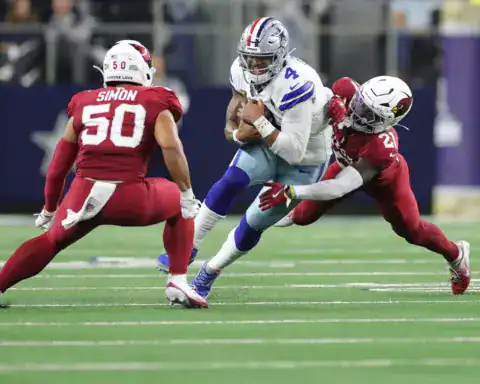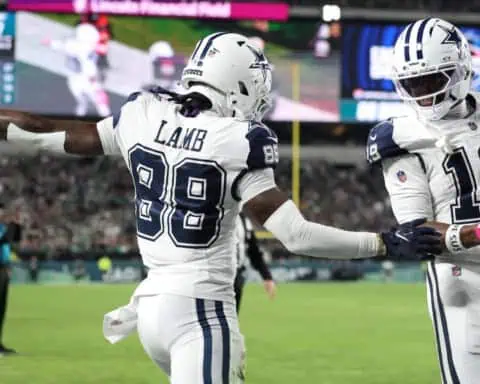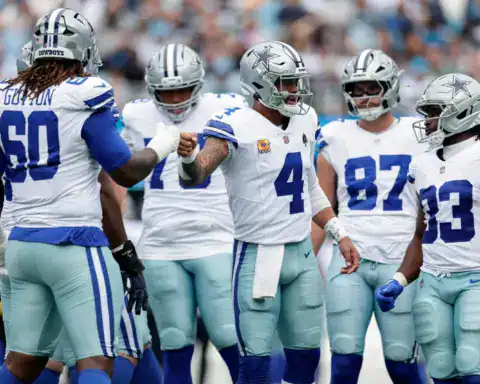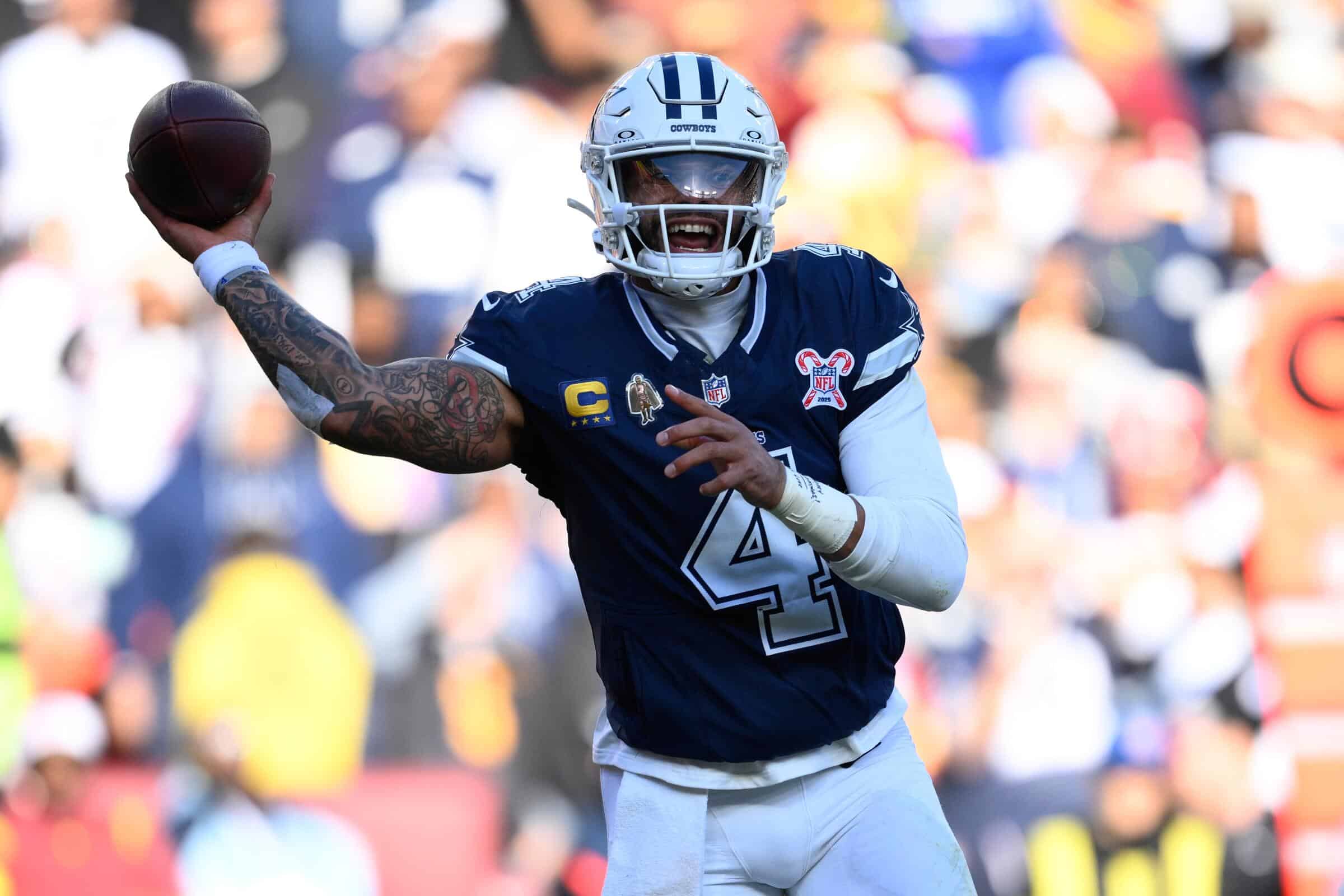
Every NFL Sunday looks chaotic from the couch, yet most outcomes trace back to a handful of repeatable factors. For the 2026 Cowboys, that might mean Dak Prescott getting the ball out quickly to CeeDee Lamb to neutralize a pass rush, or the Dallas defense forcing three-and-outs to give its offense extra possessions without scoring a point.
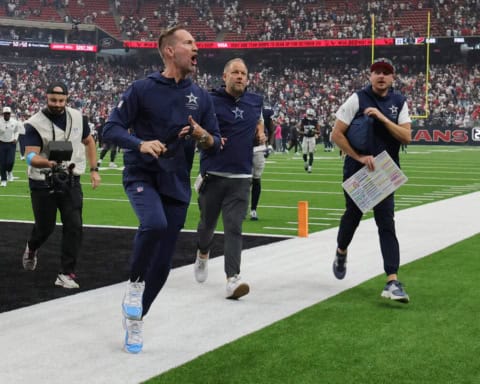
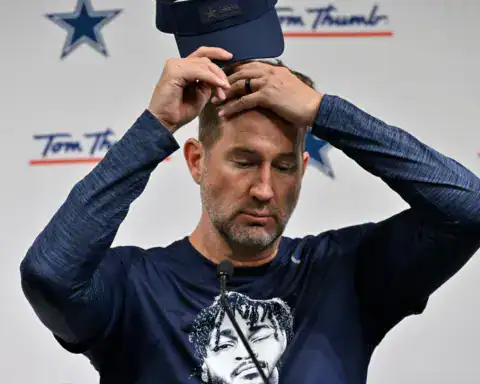
Brian Schottenheimer and his staff spend the week building plans around these small edges, and the final score is usually the sum of many minor advantages. Except when it isn’t and we throw our hands in the air, as was the case versus the Cardinals on Sunday.
The league’s structure amplifies each of them. Teams play only 17 regular-season games, so a single injury, a bad snap, or one tipped pass can swing a season.
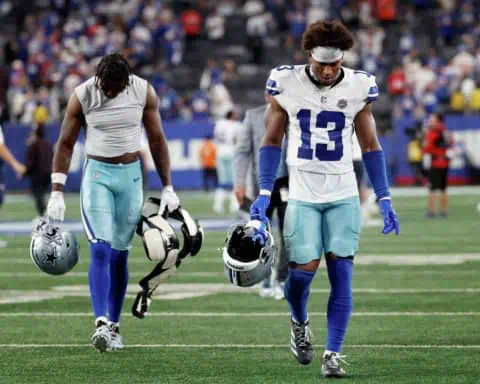
For Dallas, a change in Prescott’s protection or Lamb’s availability can alter how the entire offense operates. But what about pressure? The catastrophic loss on Sunday to the Cardinals all within a couple minutes? That breeds hesitancy, lack of confidence, and a losing mentality.
The pressure to show up versus the Colts next Sunday will be immense.
Thin margins explain why analysts study trends such as pressure rate, completion percentage over expectation, and red zone efficiency instead of relying on reputation alone.
Each measure reveals a different part of the Cowboys’ performance, and together they help explain why even a roster with familiar stars can produce unexpected results on Sundays.
How Quarterback Form Is Judged Beyond the Box Score
Most hardcore NFL fans quickly notice that passing yards alone say little about how well a quarterback played—and Dak Prescott is a perfect example.
A player can throw for 350 yards in a loss because his team trailed early and had to pass on nearly every down, a pattern that fans often spot when they check a crypto American football betting site for matchup information.
Analysts therefore lean on measures that adjust for context, such as yards per attempt, which divides total passing yards by throws and rewards efficiency over volume.
More advanced tools go further. Completion percentage over expectation compares the throws a quarterback completes with the number a typical passer would complete given the distance, the receiver’s separation, and the amount of pressure.
A short dump-off to an open running back is easy, so completing it earns little credit, while a tight-window throw 20 yards downfield earns a lot. The statistic is useful because it separates accuracy from the simple design of the play call.
Form also changes from week to week for reasons that rarely show up in a headline.
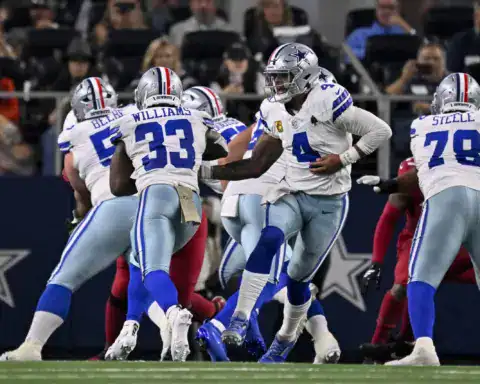
A quarterback working behind an offensive line missing its left tackle will hold the ball for shorter periods and avoid deep routes.
Rhythm matters too, since passers who play in a timing-based offense depend on receivers arriving at exact spots. When a starting wideout is absent, those timing patterns break down, and even a gifted thrower can look ordinary for a few weeks.
Defensive Pressure and the Four-Second Window
Pressure is the most direct way a defense disrupts a passing play. Most dropbacks last only a few seconds, and tracking data from the league’s Next Gen Stats platform has long shown that quarterbacks perform noticeably worse when defenders reach them quickly.
Pressure does not require a sack. A hurried throw, a step off the planned spot, or a forced scramble can ruin a route that was otherwise open.
This season, the Cowboys are rushing four in 70% of pass-rush snaps. When it works, it’s great. You have more defenders in coverage and all is well. When it doesn’t, you get quality quarterbacks able to pick you apart.
Defenses create pressure in two broad ways. The first is a four-man rush, where the front line wins its individual matchups and the other seven defenders stay back to cover receivers.
The second is the blitz, where extra players such as linebackers or safeties charge the quarterback. A blitz can speed up the rush, but it leaves fewer defenders in coverage, so a quick, accurate throw to a vacated area can turn into a long gain.
Offenses have answers of their own. Quick passing games, screens, and play-action all aim to slow or redirect the rush. Play-action, for instance, has the quarterback fake a handoff so linebackers step forward for a moment, opening space behind them.
Offensive coordinators also use chip blocks, in which a running back or tight end briefly hits a defender before running a route, to give tackles extra help against elite edge rushers.
The Ground Game and the Battle for Field Position
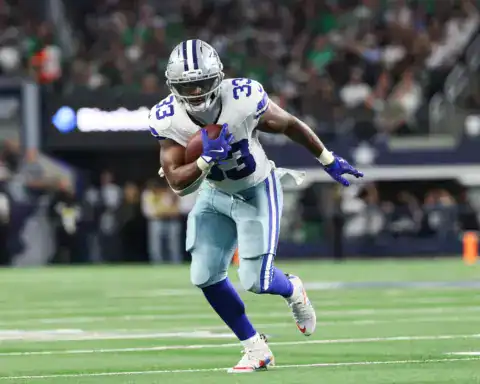
Running the ball is less glamorous than passing, but dishing to Javonte Williams controls the clock and wears down opponents. In theory, that’s what should have happened on Sunday.
With 528 yards through eight games, Williams’ 66-yard-per-game average should be enough to grind teams down. While his 3.9-yard average is far off the top rushers, it’s serviceable.
A team that gains four or five yards on first down keeps the next two plays manageable, which allows the full playbook to stay open.
It works, but fans question how effective the game planning has been at times this season.
Field position works quietly in the background of nearly every game. A punt that rolls out of bounds at the opponent’s 12-yard line forces the other offense to cover 88 yards, which is a demanding task even for strong units.
Special teams units therefore shape scoring chances before the offense takes a snap. A long kickoff return or a blocked punt can change the possible outcomes of a drive entirely.
Turnovers compound this effect. The Cowboys have 6 takeaways through week 8, and Prescott kept a tight leash on the ball versus the Cardinals. Stats show that turnovers have a major impact, but so does momentum.
Coaches talk constantly about winning the turnover margin because it combines possession, field position, and momentum in one event. Teams that protect the ball and take it away from opponents usually finish near the top of the standings.
A strong pass rush can force turnovers or pin a team deep in their own end, giving the Cowboys offense a short field and a good chance at points.
Injuries, Weather, and Scheduling Factors
Rosters change constantly, and depth often decides which teams survive the season. Losing a starting center affects how the entire offensive line communicates, since that player typically calls blocking assignments before the snap.
Cornerbacks and safeties must also work in sync, so replacing one of them can create coverage gaps that opponents spot on film within days.
Conditions outside the stadium matter as well. Cold, wind, and rain reduce passing efficiency and push teams toward conservative plans. Kickers face the same difficulty, as strong crosswinds can turn a routine 45-yard field goal into a risky attempt.
Teams that play in open-air stadiums in cities such as Green Bay or Buffalo build their rosters partly around these realities.
Scheduling adds another layer. Teams coming off a bye week generally have extra time to heal and prepare, while those playing on a short week after a Thursday game have less recovery time.
Travel across time zones can also affect the body clock of players. None of these factors decides a game alone, but they push probabilities in one direction.
Why Sundays Reward Preparation Over Reputation
The NFL’s results across a season show how closely quarterback play, pressure, ball security, and circumstance are tied together.
A famous name cannot protect a team from a collapsing offensive line, and an average roster can beat a stronger opponent by winning the turnover battle and starting drives in good field position.
Watching with these ideas in mind makes each week easier to read, because the key moments often occur well before the score changes.
Was this helpful?