

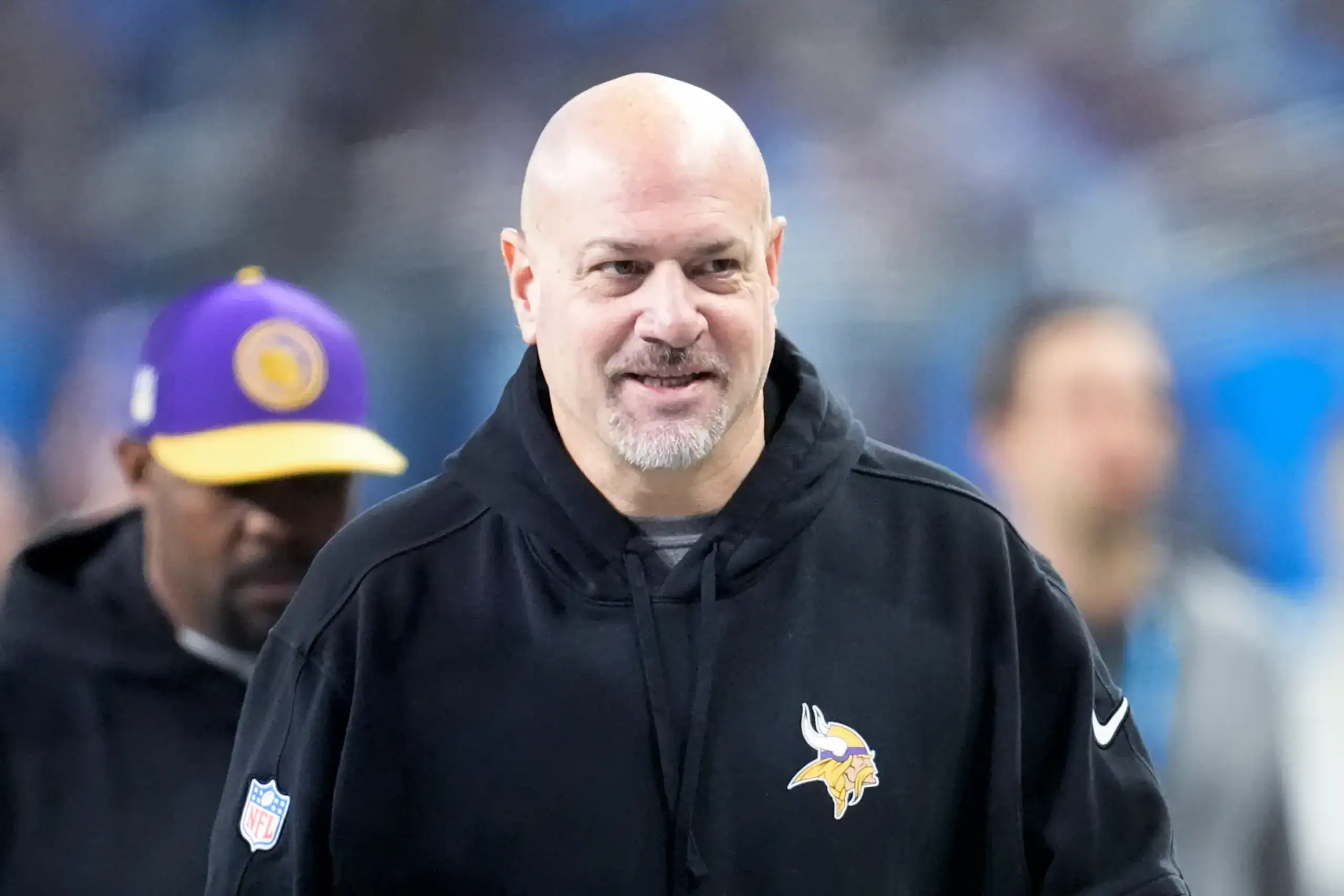
I wanted to know, and I bet you did too, what Mike Pettine brings to the Cowboys beyond being the coach who gave Christian Parker his first NFL opportunity. His work with Mug fronts and disguised pressure gives us something concrete to examine.
Parker still runs the defense, and Pettine can help him look over the weekly plan, identify favorable matchups, and anticipate how an offense will respond.
Mike Pettine’s background gives Dallas a veteran defensive play caller to help give useful advice. It also gives us reasons to keep our expectations in check, but I don’t think we need help with that after these Cowboys start to the season.

Mike Pettine Knows Some of the Personnel
Brian Schottenheimer talked about Pettine’s familiarity with Kenny Clark and Rashan Gary when talking about the hire. He also said veteran coaching assistance was discussed when Parker first joined the Cowboys.
Mike Pettine has coached both players, giving him at a minimum a starting point when reviewing their alignments and responsibilities. I’d want his opinion on whether the calls are creating opportunities for them or asking them to overcome bad matchups.
His approach allows flexibility. When Buffalo hired him, Pettine described using both three-man and four-man fronts, with the front decided by his players.
That experience can help Parker evaluate adjustments within the defense without overhauling everything.

Mug Fronts Are a Mike Pettine Specialty
Mike Pettine has published coaching instruction on Double A-gap Mug pressures. Two linebackers threaten the gaps between the center and guard while the defensive tackles get wider, forcing the offense to account for immediate interior pressure.
Pettine teaches calls that drop defenders into Cover 3, pressure with Cover 1, use zone pressure or bring Cover 0 pressure. He emphasizes keeping the defenders’ stance and body language consistent, so the offense cannot identify the call early.
I like the expertise he brings to the defense. The center and running back have to determine who to block, while the quarterback decides whether he needs a quick throw or not. Defenders who look like blitzes can jump back into those passing lanes.


There is evidence of it working. In 2019, Eagles analyst Fran Duffy said Mug fronts were the primary pressure package in Pettine’s Green Bay defense. The Packers changed who threatened, rushed, and dropped. Creating protection problems and free rushers.


That sounds like to me, exactly what this defense needs and, as a consultant, Pettine can help Parker study an opponent’s protection and find ways to exploit them. I like that part, being able to help and not just be a veteran coach in the meeting room.

Cover 0 Needs the Right Situation
Pettine also likes Cover 0 pressure. In this, he will pair man coverage with no deep safety help. He teaches them with several other coverage options from the Mug look.
I don’t really care if Dallas blitzes more just to make it look like they are more aggressive. If the quarterback sees the pressure and has an easy completion, sending another defender doesn’t help much.
Mike Pettine can offer his opinions on if a pressure fits the protection and whether Dallas can cover the quick throw. The disguise only works if the coverage behind it holds up, and that is a big “IF” with this defense.
He does have the experience teaching those responsibilities. In 2024, Dallas Turner intercepted a pass against Seattle in 2024. Brian Flores credited Pettine with the extra work that improved Turner’s coverage.
Mike Pettine Comes With a Warning Label
Pettine’s 2009 New York Jets led the NFL in scoring defense, total defense and passing defense. His 2013 Bills finished second in sacks with 57 and interceptions with 23. Green Bay in 2019 ranked ninth in points allowed.
The caveat is that Buffalo’s defense also ranked 28th against the run. His Packers surrendered 285 rushing yards to San Francisco in the NFC Championship Game in 2019. The 49ers attempted just eight passes that game.
We can’t ignore those issues, but we don’t have to worry about Dallas getting much worse in that area.
Mike Pettine gives Christian Parker a veteran coach to help review protections, question assignments, and prepare adjustments. Their prior relationship will help make those conversations easier, but the advice still has to fit.
I see the reasoning behind the hire. Now I want to see if Pettine’s input helps Parker field a competent defense.
Was this helpful?


Comments