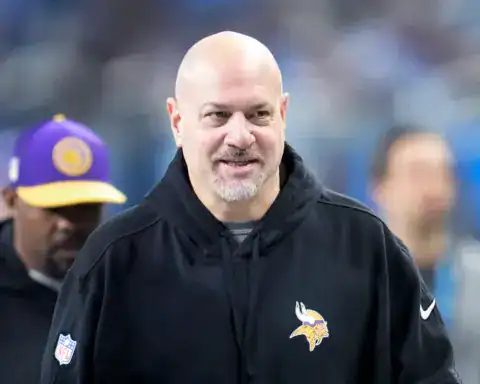
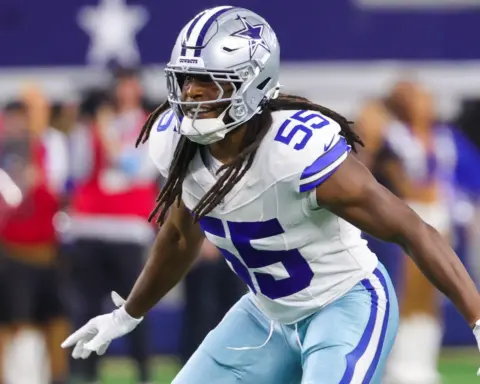
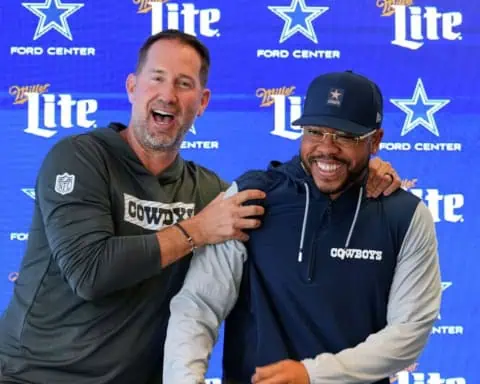
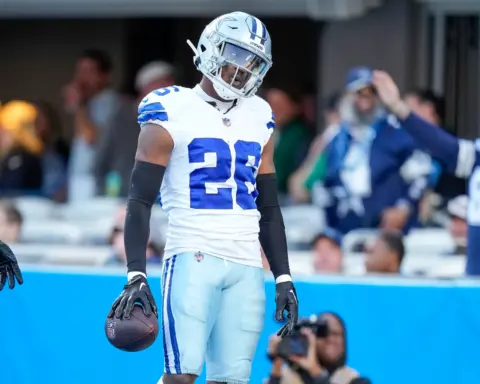
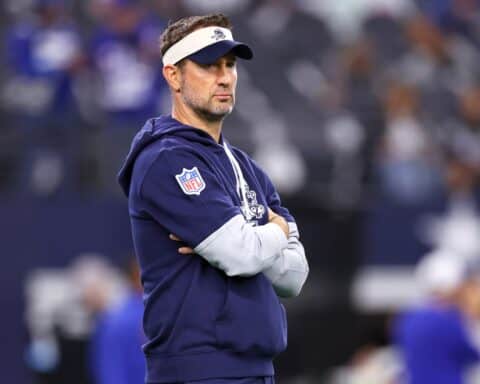
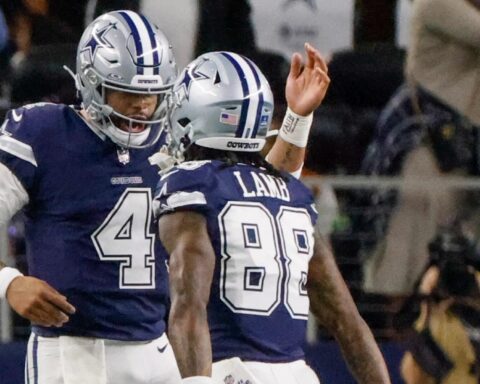
Christian Parker’s blueprint favors size and versatility. Here’s how the Cowboys secondary fits his vision — and why 2026 free agency matters.
When I started digging into Christian Parker’s last stops, I first looked at the front seven. I wasn’t trying to force some type of narrative, I wanted to see what showed up on the field.
I went back again and looked at the same stops: Green Bay, Denver, and Philadelphia to see what the secondaries looked like.
The more I compared the rosters, the clearer the pattern became.
The Christian Parker defense will not be small.
There’s length at corner, real weight at safety, and even the nickel defenders are sturdy enough to hold up inside.
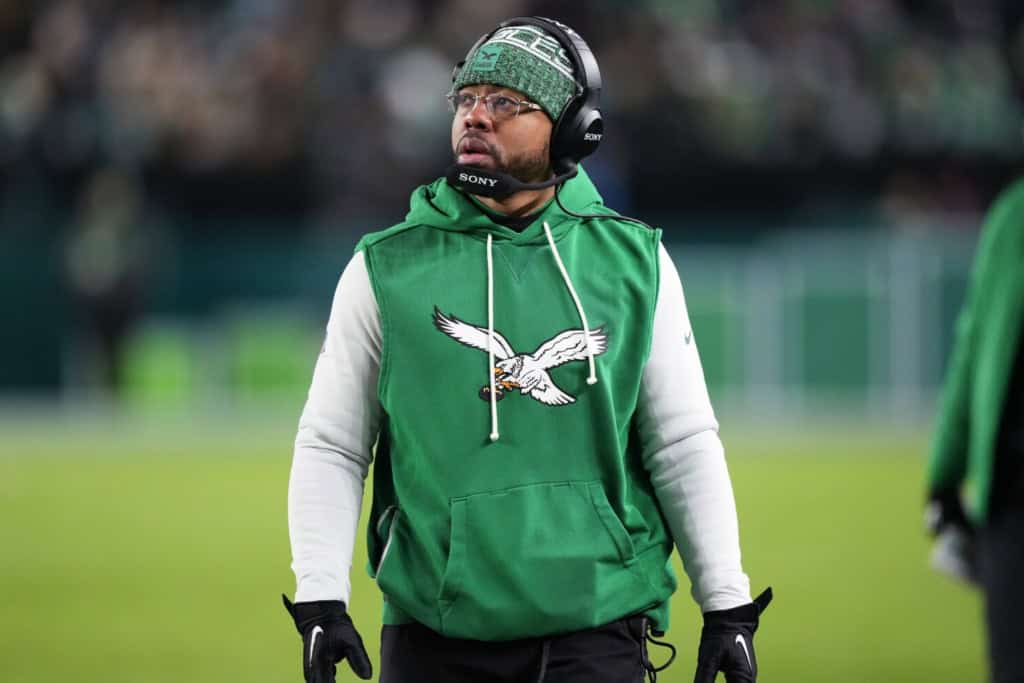
Christian Parker’s Secondary Profile
When I focused on measurables in the secondary, the same ranges kept appearing across his multiple stops.
This wasn’t a one-team trend. It showed up in Green Bay, Denver, and again in Philly.
Outside corners were long enough to compete at the catch point, nickel defenders weren’t undersized liabilities, and safeties carried enough weight to rotate into the box without becoming coverage concerns.
Those commonalities could head to Dallas as this is what Christian Parker is used to seeing in the secondary.
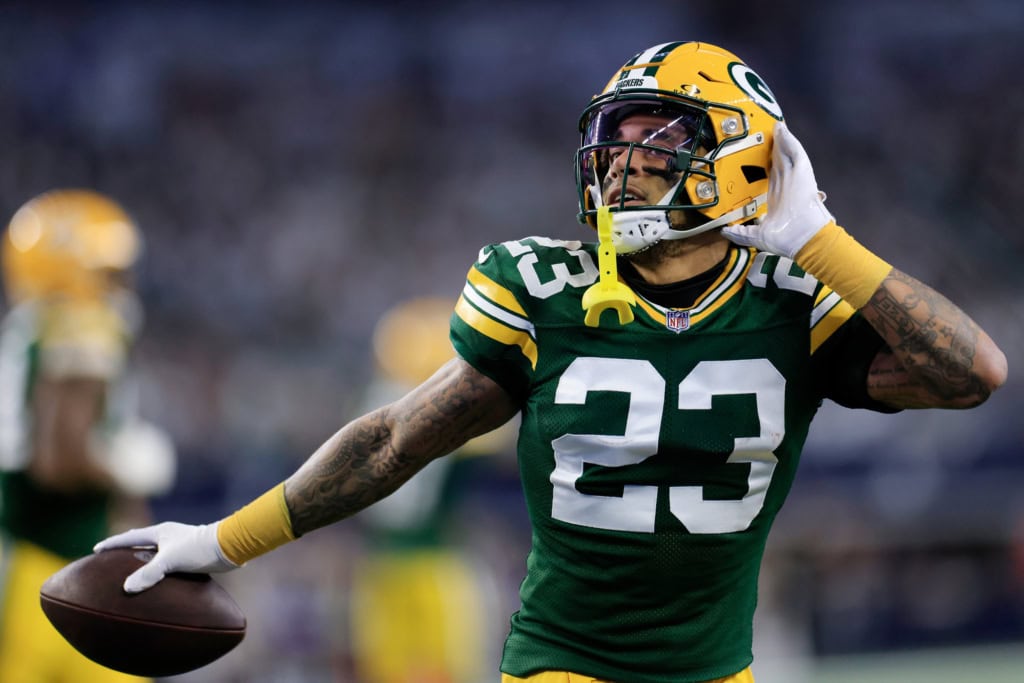
Corners Built to Compete
The boundary corners Christian Parker has been around are typically 6-foot-plus and close to 200 pounds.
In a league filled with big-bodied receivers and contested throws, that build matters.
We all know length changes how you defend the sideline. A stronger frame allows you to press without getting pushed around. Corners built like that don’t just recover, they recover and attack.
What I didn’t see in his history was a heavy reliance on small outside corners who need help over the top. The profile leaned toward size and strength on the boundary.
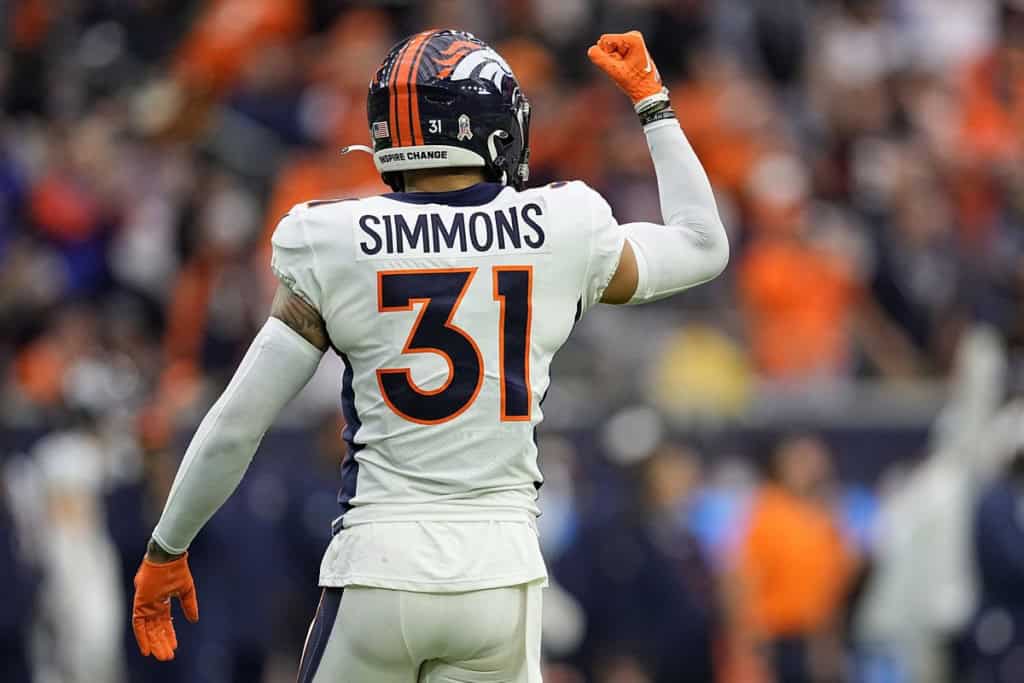
Safeties Who Can Finish
The safety position may be the clearest example of this blueprint.
Most of the safeties Parker has worked around sit north of 200 pounds and can play multiple roles.
The safeties he has been around are not limited to deep coverage. They rotate down, match tight ends, and support the run.
When your safeties carry that kind of build, you gain flexibility without sacrificing toughness.
If you have watched the Cowboys over the last few seasons, you know how important that physical consistency in the secondary can be, especially when games get tighter late in the year.
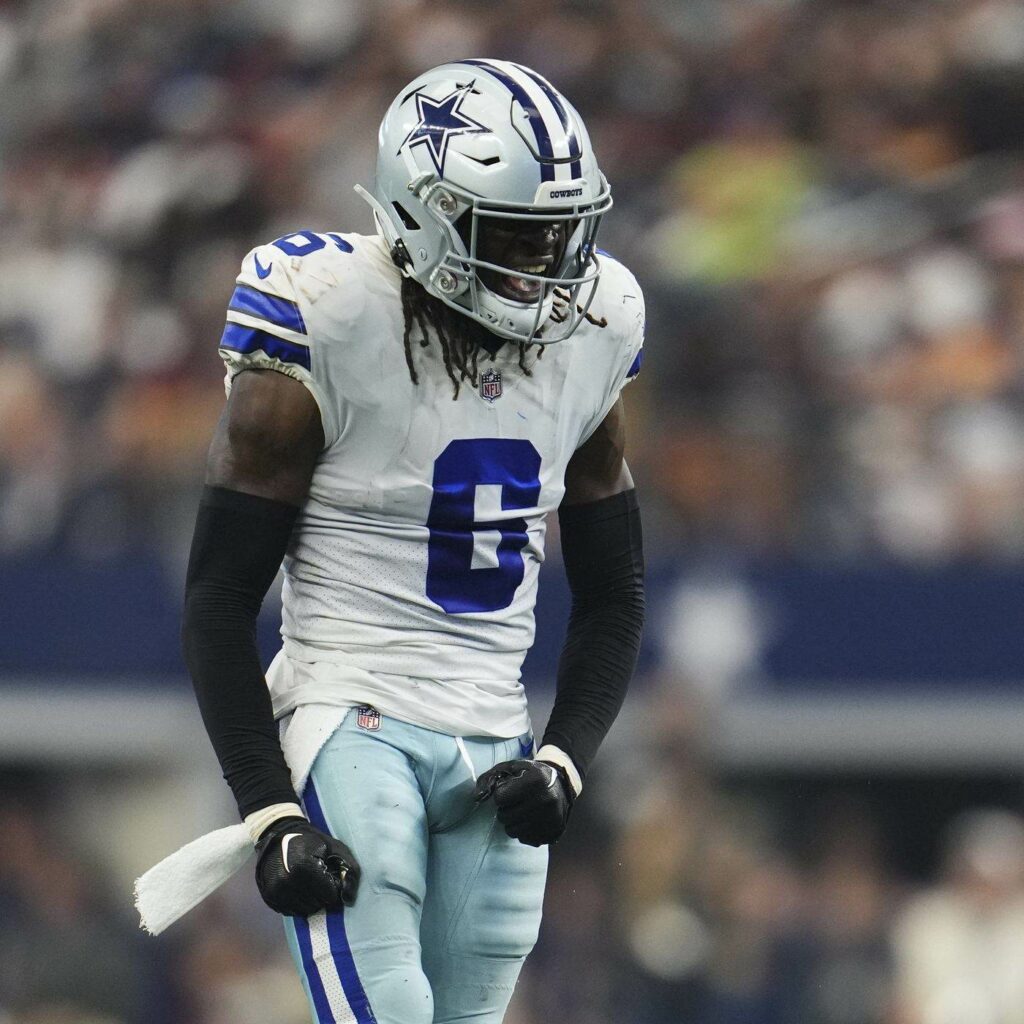
2026 Free Agency Could Shape the Room
Looking ahead, Donovan Wilson is scheduled to hit free agency. That is one of the more significant names in terms of defensive snaps last season in the secondary.
There are also decisions to make with players like Juanyeh Thomas and Reddy Steward depending on how Dallas handles their contracts.
This is where the blueprint meets opportunity.
If Wilson walks, Dallas isn’t simply replacing production, if you can call it that. They’re reshaping the safety room.
Free agency becomes a chance to reinforce the physical traits that have defined Parker’s defensive back rooms.
Roster turnover isn’t always disruption, I believe it’s sometimes direction.
The Bigger Defensive Picture
When I connect this back to what we saw in the front seven, the direction feels consistent.
Heavier up front, longer outside, and bigger in the middle.
For years, Cowboys fans have talked about wanting a defense that holds up when the games matter most. Body types matter in those moments.
If Christian Parker leans into the same physical profiles he’s been around, the Cowboys secondary won’t just be built for speed.
It will be built for durability and contact.
And if 2026 free agency gives Dallas the flexibility to reinforce this approach, this offseason becomes about defining an identity, not just filling spots on a depth chart.
That’s where this gets interesting.
Was this helpful?