

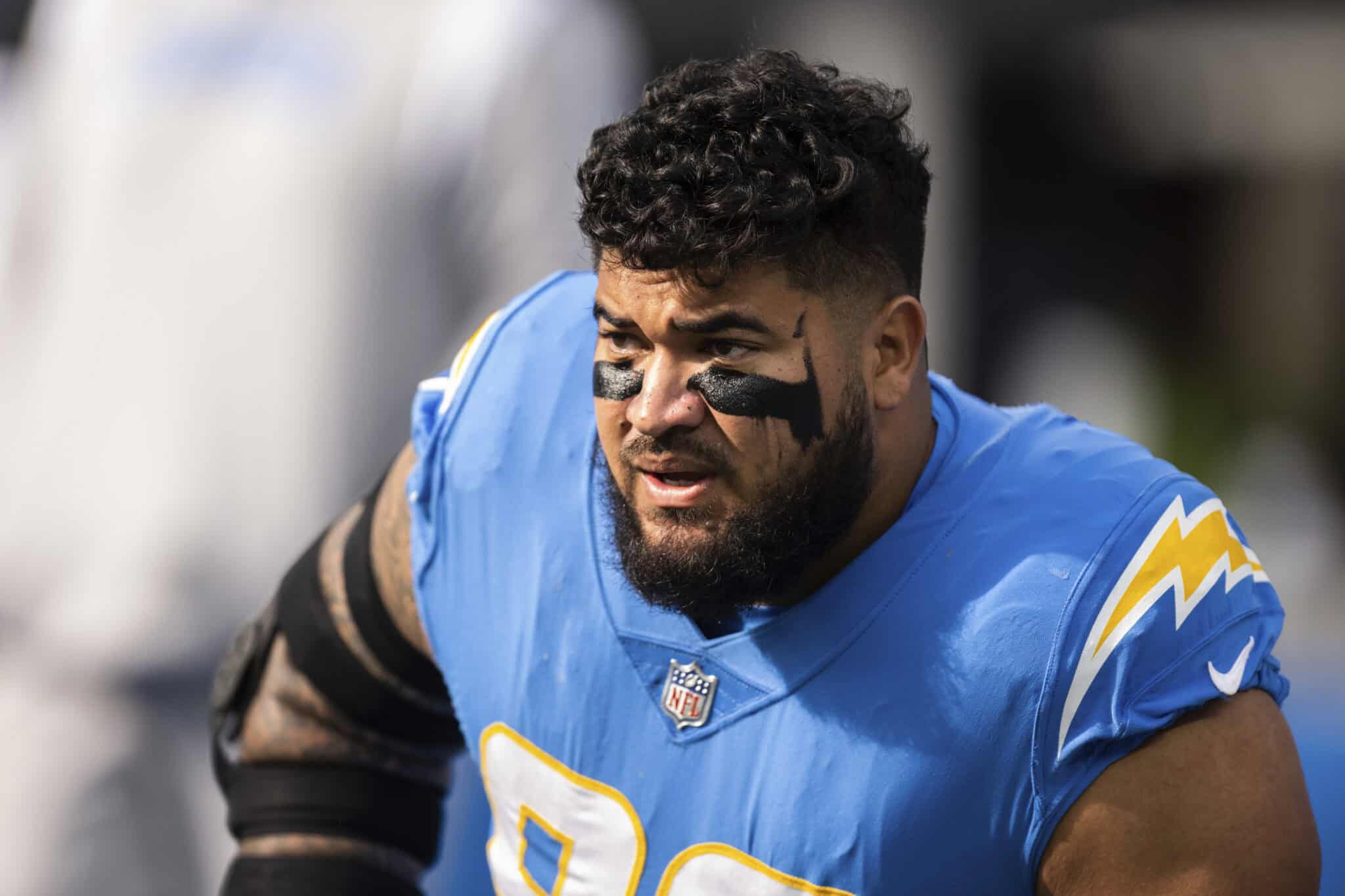
I’ve yelled at enough Cowboys games to understand why fans would think some calls need some extra explaining. But when somebody who played in the NFL says officials were rigging games, I want to know what he knows that the rest of us don’t.
Breiden Fehoko made that accusation on X and said somebody threatened his pension after he previously spoke out. His post gives us plenty to question, but it doesn’t tell us which games, officials, or person is behind the allegations.

I started looking for evidence beyond his statement, and there are documented connections between the NFL, betting companies, owners, and broadcasters. There is also officiating research worth looking at, and financial evidence that makes a simple fixing theory harder to support.
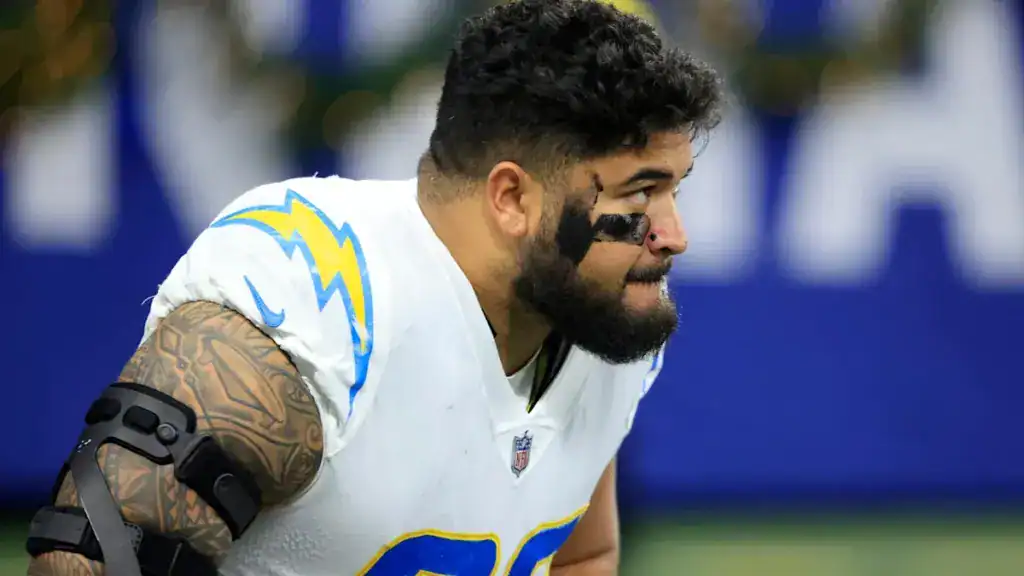
Fehoko’s Wording Leaves Important Questions Unanswered
My statement-analysis training helps me pay attention to the difference between what somebody says and what readers assume they say.
Fehoka wrote, “When I played in the NFL we all knew the officials were rigging games certain ways.”
Who is “we”, and how did they know? Players sharing suspicions about questionable calls would be different from someone witnessing instructions to manipulate a game. His post does not explain the source of that knowledge, and he does not explicitly say he personally witnessed a fix.
“Rigging games certain ways” also leaves the alleged conduct undefined. Helping a team win? Keeping the score within a betting spread? Influencing a certain play?
We don’t know because he left that vague, and it doesn’t mean it’s dishonest, but I would definitely question the way he worded it.
The pension claim talks about a potential event that could be verified. There may be a message, a witness, or a complaint made at the time. Knowing who delivered the threat, and the exact words used, would give us something to work with.
But Fehoka didn’t give us any of that, so if he is tired of this and not worried about the consequences, why wouldn’t he say who threatened him or what games were fixed?

One of the Clearest Connections Involves the NFL’s Own Data Partner
Genius Sports distributes official NFL betting data and provides technology used by sportsbooks. Its June 2025 announcement talks about advertising responsibilities and integrity services intended to help protect NFL games.
The NFL has held a financial interest in the company.
An SEC filing reported 6.0% beneficial ownership by NFL Enterprises as of December 31, 2025. That number includes shares it could acquire through exercisable warrants, so it was not entirely stock already held. It also doesn’t show the NFL’s exact ownership now.
The relationship means the NFL has had a financial stake in a company that helps supply betting information and provides integrity services.
My question is how the monitoring stays independent of the commercial relationship. Who receives a suspicious-activity report? Who decides whether it requires further investigation? Who reviews that decision?
There isn’t any evidence that Genius suppressed or suppresses an alert. The relationship between the two entities is documented, but improper handling of any investigations is not, and why would it be?

The Money Reaches Teams and Owners, Including Dallas
The NFL announced sportsbook partnerships with DraftKings, FanDuel, and Fanatics in 2026. The agreements include official data access through Genius and the requirements involve monitoring and information sharing.
The Sports Business Journal also reported that the NFL invested $320 million in Fanatics in 2022. That was an investment in the company as a whole, it wasn’t directly identified as a stake in its sportsbook subsidiary.
BetMGM has team-level relationships, including multiyear renewals with the Lions and Steelers announced in 2025. Caesars announced an NFL sportsbook partnership in 2021, although it wasn’t among the three partners named in August 2026.
And I’m not giving the Cowboys a pass.
Dallas announced a DraftKings daily-fantasy partnership in 2015, including a branded lounge at AT&T Stadium and promotion through Cowboys media. Jerry Jones and Robert Kraft retained investments in DraftKings.
I want these business deals to be seen as what they are, sponsorship is not ownership, and an investment doesn’t give control over officiating.

The Broadcast Companies are Part of the Financial Picture
FOX’s June 2026 SEC filing reported about 2.5% ownership of Flutter, which is FanDuel’s parent company, and an option for 18.6% of the company. That option is a purchase right, not an already-exercised ownership stake.
DraftKings announced an agreement to become ESPN’s exclusive official sportsbook and odds provider, that went into effect December 2025.
I think fans should know about those connections. I didn’t find any evidence that either network hid anything about sports betting or NFL gambling, but it’s good to know everything is seemingly connected.

Terry Robiskie’s Story Raises Some Questions
Let’s look beyond business partnerships, Terry Robiskie said an owner sent him a note telling him to keep Larry Centers from earning a receptions bonus. Robiskie says he ignored it and called plays to help Centers get paid.


Daniel Snyder was Washington’s majority owner at the time.
Robiskie helped Center’s earn $250,000, not the $300,000 he thought, but it all supports his part of the story.
This isn’t a betting connection, but it does show some shady stuff that happens at the NFL level.
Some of the Financial Evidence Goes Against the Grain
In November 2024, DraftKings lowered its annual revenue from $5.05—$5.25 billion to $4.85—$4.95 billion, citing sports outcomes that favored customers. That’s a $250 million overall company loss.
Flutter (FanDuel) also reported that NFL outcomes hurt their profits in U.S. sportsbooks.
Those disclosures make it harder to argue that NFL outcomes consistently protect betting partners. They don’t rule out isolated incidents, but leaving them out would give you all an incomplete picture.
“Follow the money” requires identifying who benefited. A business relationship by itself cannot answer that.
Settling Questions Means More than Another Bad-Call Article
The NFL says supervisors evaluate every play and grade officials, with those evaluations to help figure out postseason duties. They also have betting surveillance, integrity representatives, and mandatory gambling-policy training.
Those evaluations could help figure out legit penalty advantages from patterns found in officiating errors. Total flag count can’t do that by themselves.
Former officiating chief Dean Blandino said in 2023 that officials have been approached about influencing games. Being approached gives investigators something to look into, but it doesn’t mean officials did anything.
Historical allegations from journalist Dan Moldea refer to federal records and testimony concerning alleged NFL manipulation. I found his research, but not the original FBI report or a complete deposition.
This is also from the 80s, so I would say these do not support Fehoko’s accounts.
Fehoko could move this story forward by saying what games, what he witnessed, or providing any kind of evidence of the pension threat. He hasn’t and probably won’t, but it has to make you think about the immense pressure of gambling in person and online.
I would like the NFL to explain how it keeps its betting business separate from decisions about the integrity of their games. And I want Fehoko to stop just talking and show evidence of his claims.
Fans deserve something they can check.
Was this helpful?





Comments