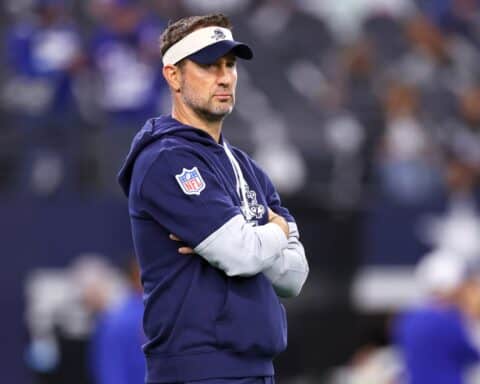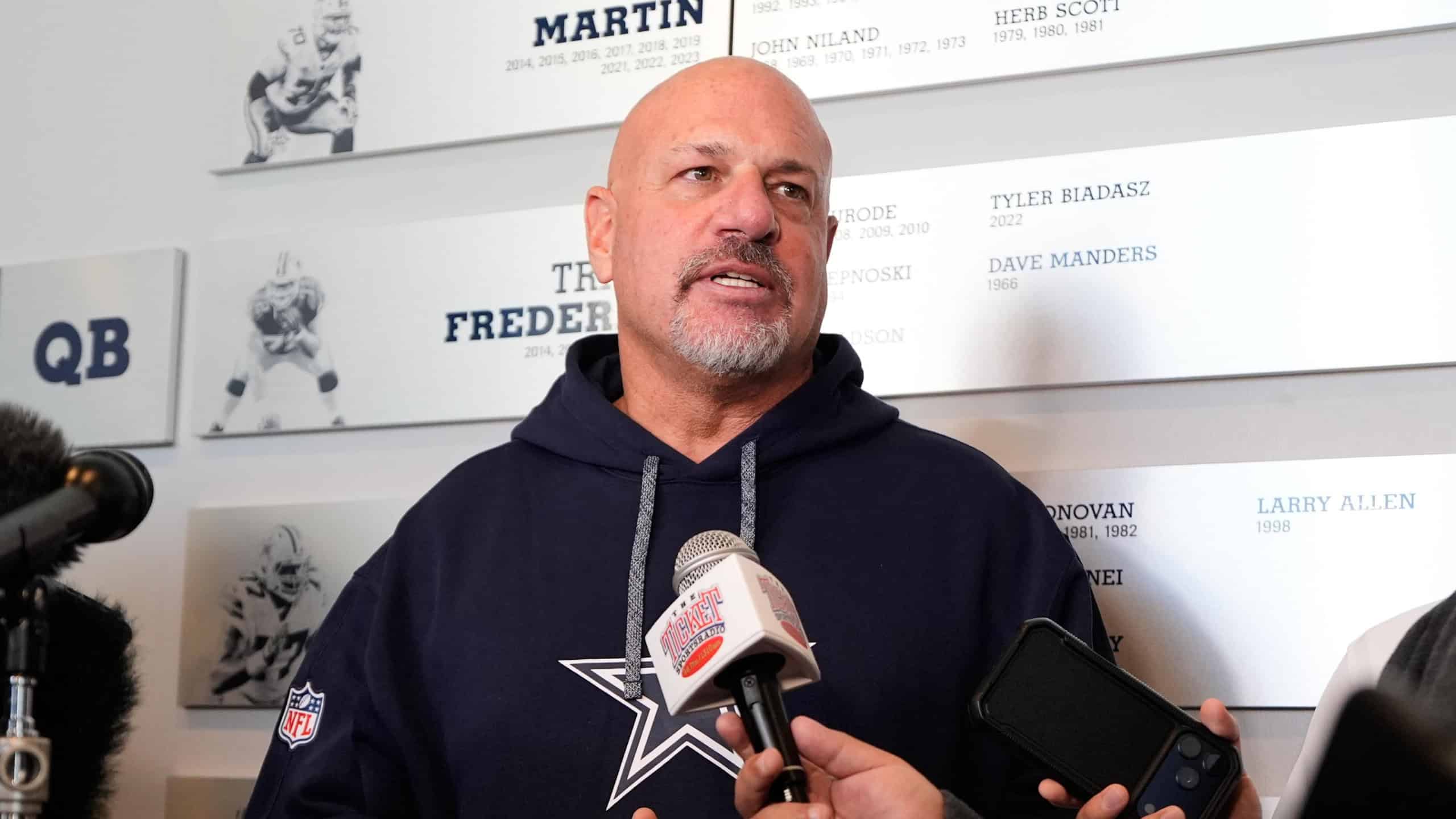
The Dallas Cowboys have had an interesting start to the season. Bringing in Mike Pettine could help stabilize a struggling unit, but meaningful improvement will require more than an additional coach on the sideline.
For Dallas fans, the big question is whether the coaching addition can address the weaknesses that have made the defense so vulnerable.
The next few games should offer a clearer picture of whether the Cowboys can turn their early struggles around.
Dallas Defensive Numbers Demand a Closer Look
After Week 5, Dallas ranked 31st in total defense, allowing 395.4 yards per game. The figure points to a unit that opponents have repeatedly been able to move the ball against.
The Cowboys’ ranking also raises questions about how they will handle different offensive styles.
A team that struggles to limit rushing production might spend longer defending, while opponents that consistently move the chains through the air can test coverage and pressure packages.
There’s a difference between allowing yards and allowing points, however. A defense might surrender substantial territory but still limit touchdowns in the red zone.
Dallas ranked 26th in points allowed as well as 31st in yards allowed when Pettine arrived, according to NBC Sports’ Pro Football Talk. Both measures will be important when judging progress.
Pettine arrives during a critical stretch
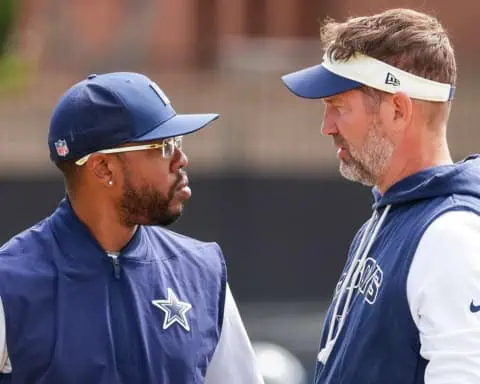
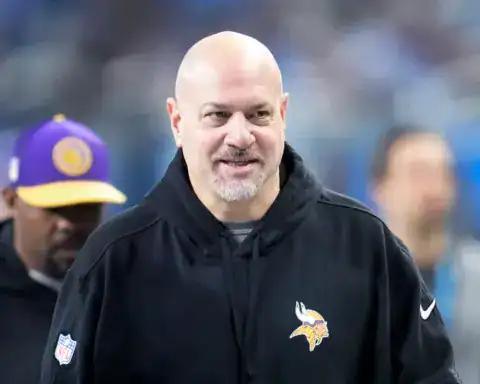
Dallas hired Pettine as a senior defensive assistant on October 12. He brings experience as a defensive coordinator with the New York Jets and Green Bay Packers, alongside previous work with the Buffalo Bills and Cleveland Browns.
More recently, he served as Minnesota’s assistant head coach and outside linebackers coach.
His familiarity with head coach Brian Schottenheimer and defensive coordinator Christian Parker could prove useful.
Pettine previously worked with Schottenheimer in New York and Parker in Green Bay, giving Dallas an experienced voice who understands aspects of its coaching staff’s background.
His appointment doesn’t necessarily signal an overhaul. Instead, Pettine can help reinforce the existing staff, identify recurring weaknesses and refine defensive decisions.
That could mean reviewing how defenders respond to certain formations, improving communication or finding better ways to disguise pressure.
These adjustments might come relatively quickly, but they still need to translate into better execution on the field.
Run defense and pressure drive projections
The Cowboys’ early numbers reveal two pressing concerns. Dallas allowed 168.4 rushing yards per game through its first five contests, while recording just 5 sacks and no interceptions.
If opponents establish the run early, Dallas might struggle to force obvious passing situations.
That makes it harder to unleash the pass rush and increases the possibility of opponents controlling possession. Longer drives can also leave the Cowboys’ offense with fewer opportunities to respond.
Pressure is equally important. Quarterbacks who have time to work through their progressions can find openings in coverage. Generating pressure without sacrificing coverage discipline is therefore a key challenge.
For Cowboys fans assessing the defense’s progress, three questions deserve attention:
- Can Dallas limit early-down rushing gains and create more third-and-long situations?
- Will the pass rush force hurried throws, sacks or mistakes?
- Can the secondary turn opportunities into takeaways?
These factors can influence scoring expectations, but none guarantees a particular result.
Better run defense might still leave Dallas vulnerable to a quarterback who exploits coverage weaknesses.
Upcoming opponents test different defensive answers
A single defensive ranking can’t tell the whole story of an upcoming Cowboys game. Against a run-heavy offense, Dallas might need to focus on maintaining gaps and tackling reliability.
Against a pass-first team, generating pressure and protecting vulnerable areas of the secondary could take priority.
The challenge is recognizing those differences before kickoff. Opponents that can attack both on the ground and through the air might force Dallas to make difficult choices about where to allocate defensive resources.
Pettine’s experience could help the staff prepare, but players must execute those plans consistently.
For fans following Dallas throughout the season, the most useful indicators will be whether the defense adapts from one matchup to the next and whether opponents continue to exploit the same weaknesses.
Covers provides sports-related content that readers can use alongside their own assessment of the Cowboys, helping them to follow how expectations shift as the season continues.
Covers also features casino promotions for readers interested in online gaming. For those looking to explore casino offers, this reference leads to a guide to the Rainbet promo code and its associated casino promotion.
Signs of progress matter more than promises
Pettine’s appointment gives Dallas another experienced coach to help address a clear weakness, but it doesn’t immediately resolve the problems reflected in the team’s early-season statistics.
The strongest evidence of improvement will come over successive games: fewer rushing yards allowed, more consistent quarterback pressure and a greater ability to create turnovers.
Opponents should also find it harder to sustain long drives if Dallas improves its early-down tackling and forces more predictable passing situations.
For now, the Cowboys’ defensive outlook remains uncertain. Pettine might help the existing staff find better answers, but the results will depend on how effectively those ideas translate into execution.
The next few matchups will offer a clearer indication of whether Dallas can begin to solve its defensive problems.
Was this helpful?