

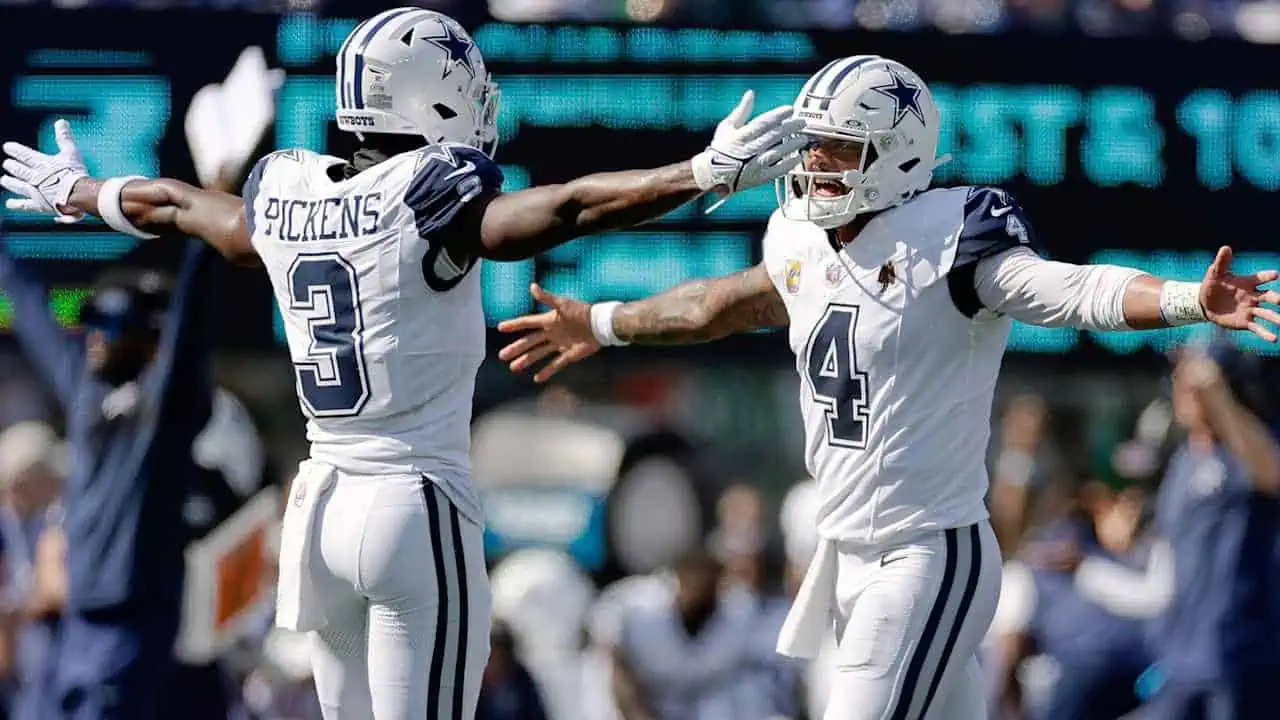
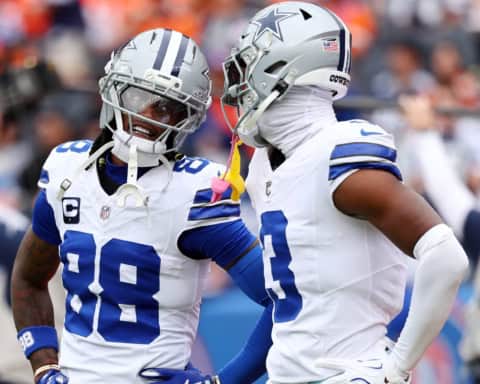
The Cowboys’ offense has too much talent to disappear for half a game, or for that matter, a whole game. When I watch Dak Prescott, CeeDee Lamb, and George Pickens put together a scoring drive, then spend the next possessions struggling, that bothers me.
Looking back through 2025 and the first five games of 2026, the strongest issue that keeps showing up is Dallas’ response to pressure. When the protection and passing game work together, this offense is unstoppable.
When a defense disrupts the timing, Dallas loses its offensive identity.
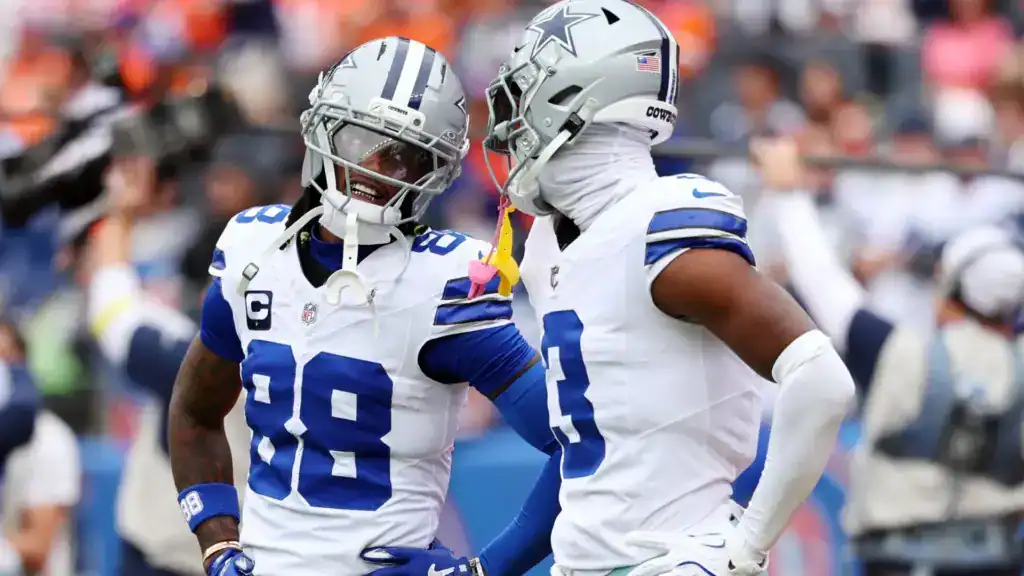
Lamb and Pickens Can Produce While Dallas Stalls
CeeDee Lamb caught 17 passes for 189 yards against Houston this season. Against Tampa Bay, he finished with two catches for nine yards before leaving in the fourth quarter with a quad injury. Pickens caught nine passes for 130 yards and a touchdown, but they only scored 16 points.
We saw similar problems against the Chargers last December. Pickens had 130 receiving yards and a touchdown, while Lamb added 51 yards. Dallas went scoreless after halftime and finished with 17 points.
I expect those two to give Dallas answers when a defense takes something away. We don’t need to see both of them get 100 yards every week, but their presence should help this offense keep drives going.
Too many times, we’re left pointing out somebody’s receiving yards while trying to figure out why the Cowboys couldn’t score.
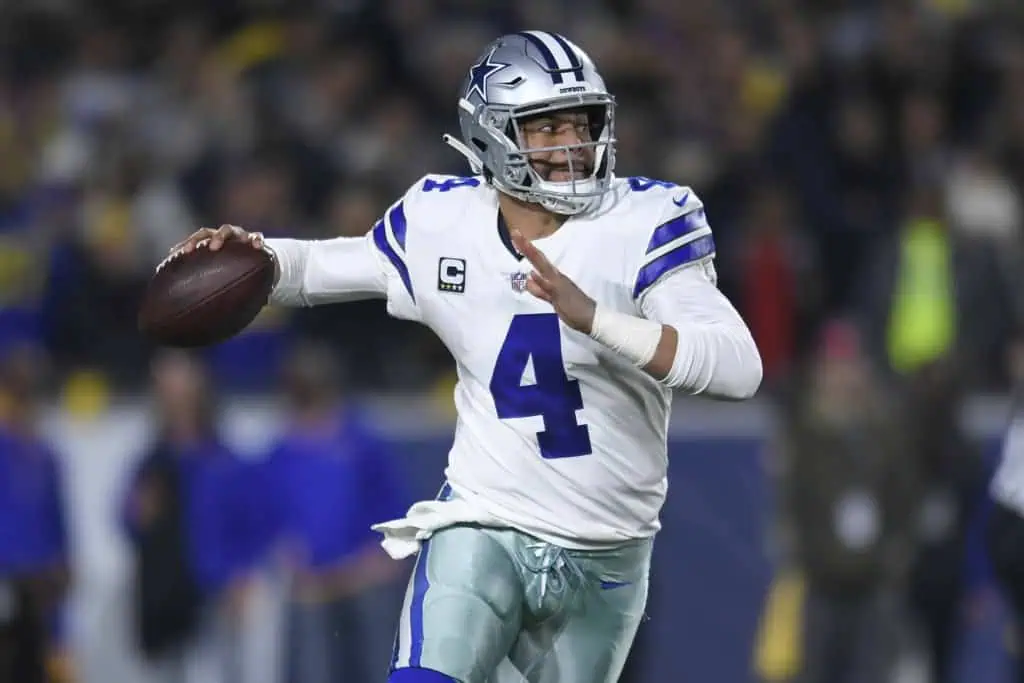
How the Cowboys Offense Beat Kansas City’s Pressure
We watched Kansas City blitz on 48.7% of Prescott’s dropbacks last Thanksgiving. Dallas didn’t give up a sack, gained 457 yards and won 31-28. Dak threw for 320 yards, and the Cowboys’ proved they could handle an aggressive defense.
In the game, Hunter Luepke picked up Trent McDuffie’s corner blitz on a 51-yard completion to Lamb. Prescott faced pressure, but he had enough room to deliver a strike.
Later, Javonte Williams pulled a linebacker toward the flats, clearing space for a Pickens slant that helped close out the game.
This game is a prime example of what using all these weapons should look like. Williams created an opening without catching the ball, and Luepke gave Dak a chance to get the ball to Lamb. Dallas made the Chiefs pay for their defensive choices.
Minnesota Showed Us the Missing Answers
If you remember this game from last season, the Vikings generated 21 pressures and two sacks. There were problems with adjustments at the line and quick answers for the blitz. On one play, Harrison Smith came through unblocked and tipped a pass intended for Lamb.
This is why “get the ball out quicker” isn’t a total fix for this offense. Dallas had a quick throw on that play, but still failed because nobody got a hand on the defender coming down the throwing lane.
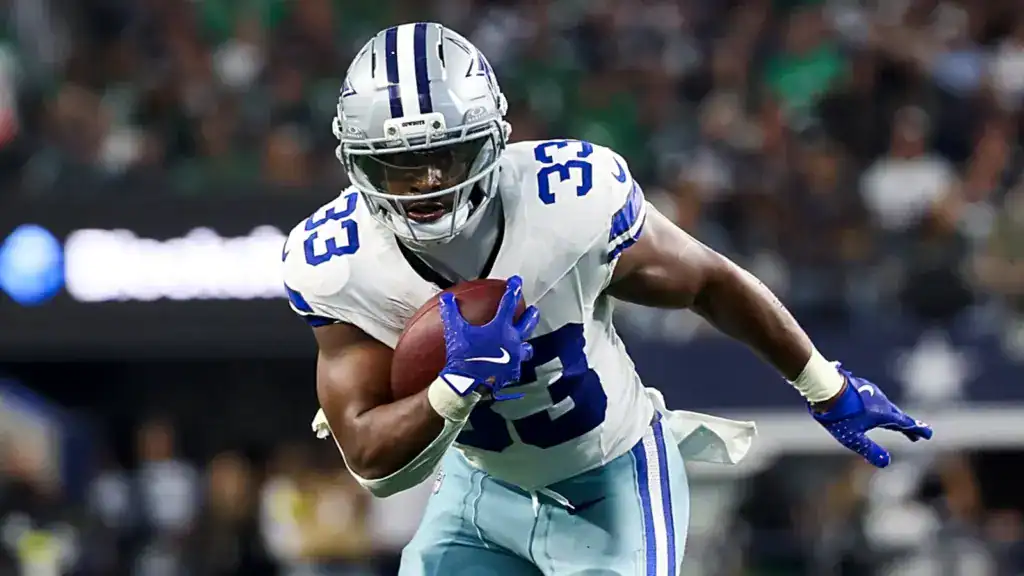
We also can’t blame the running game for not doing anything. Javonte Williams hd 91 yards on 15 carries, and averaged 6.1 yards per carry. Dallas was able to run the ball and that did not ease up the pressure from Minnesota.
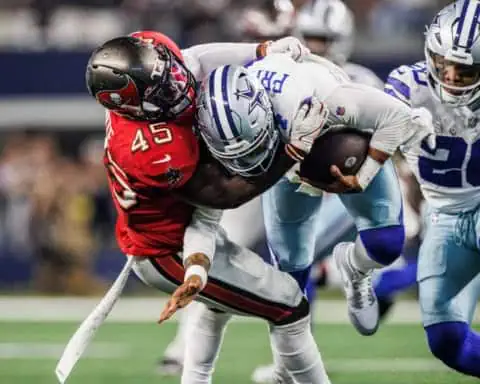
Tampa Bay Showed a Familiar Problem
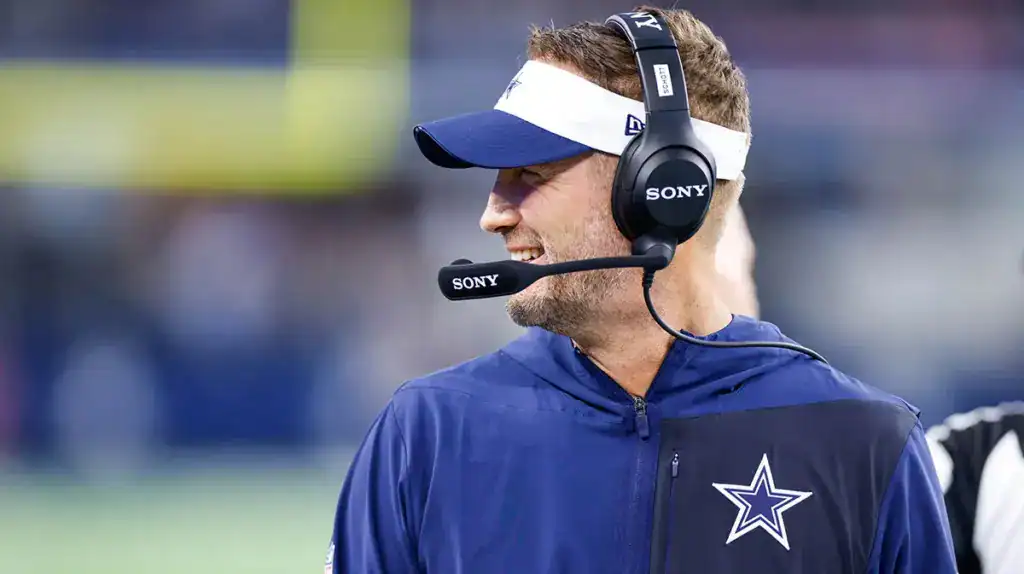
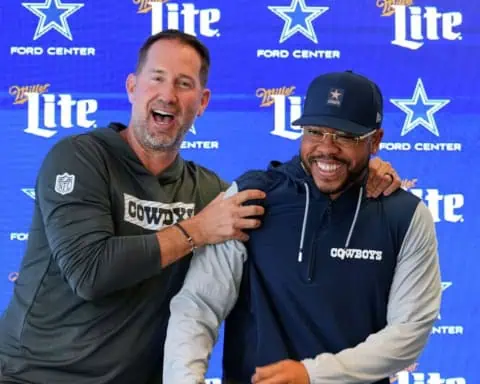
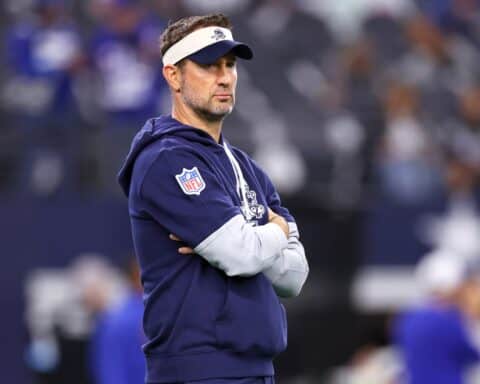
After the Tampa Bay loss, Brian Schottenheimer said, “Well, I think we didn’t handle the pressure very well.” He pointed out the unblocked rushers and the hits Prescott took.
I don’t like that explanation because we saw the same problem last season. I expect an opponent to win some snaps, but I also expect Schottenheimer and Dak to have answers when the pressure starts working.
Prescott’s 316 passing yards against Tampa make the performance look better on paper, but when you really look at those yards, 150 came in the final 8:32. Dallas scored on its opening drive and didn’t reach the end zone again until 5:26 in the fourth.
A receiver and tight end share the responsibility for the turnovers. Ryan Flournoy let a pass bounce off his hands, and it turned into an interception, and then Jake Ferguson did the same thing. Coaching cannot excuse failing to finish those receptions.

The Offense Has Fixed Some of the Problems
Last season, Dallas scored touchdowns on 56.9% of its red-zone possessions, which was 18th in the NFL. Its 65 trips resulted in 17 field goals, five turnovers, and six turnovers on downs. That’s a lot of wasted trips.
Through four games this season, before Tampa, that touchdown rate had improved to 81.3%, third in the NFL. It’s a small sample, but the improvement is there.
Another area Dallas struggles with is time of possession. Tampa Bay held the ball for 39:21, keeping the ball out of the Dallas offense’s hands. That is totally on the defense. This makes the offense’s wasted possessions that much more costly for the team.
I found the recurring issue is how Dallas responds when a defense disrupts its passing game. The examples don’t explain away every stalled drive, but it does put the responsibility where it belongs: Schottenheimer’s preparation, Dak’s decisions, the protection and receivers’ execution.
We have all seen enough to know what this offense is capable of day in and day out. With the players we have on this side of the ball, I expect more from this group than an impressive drive followed up by a few quarters of excuses.
Was this helpful?


Comments