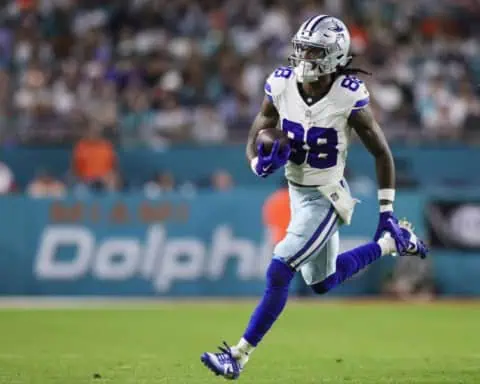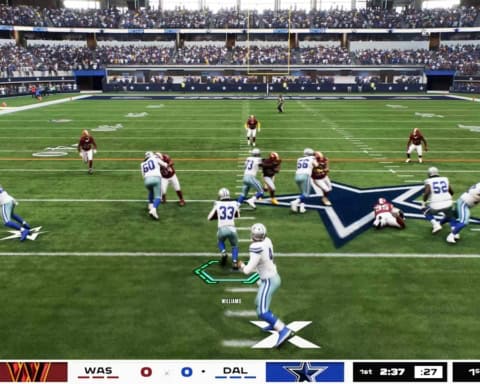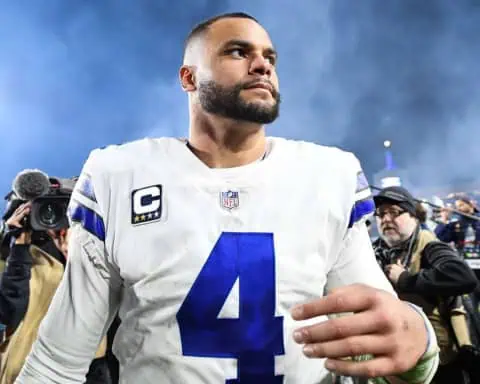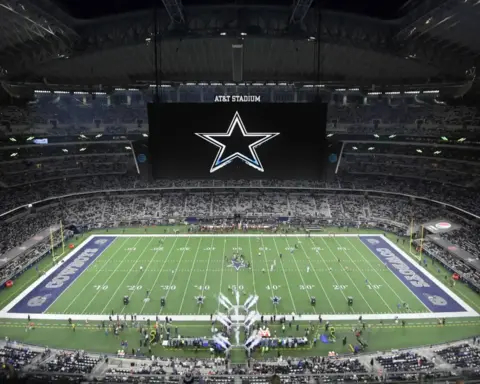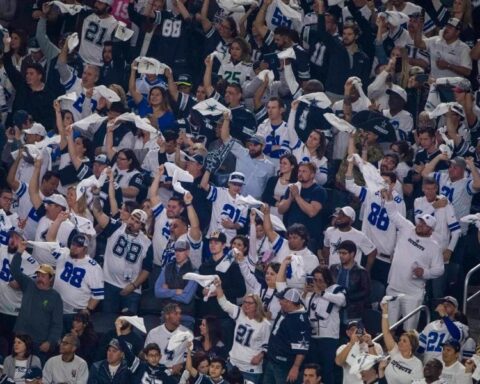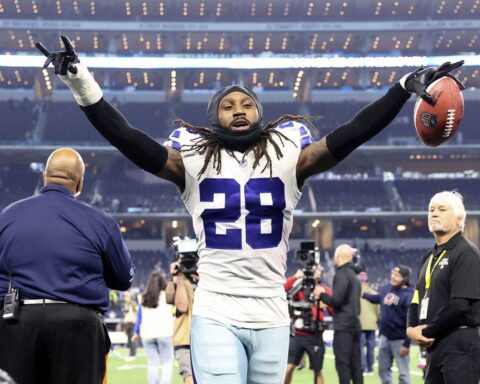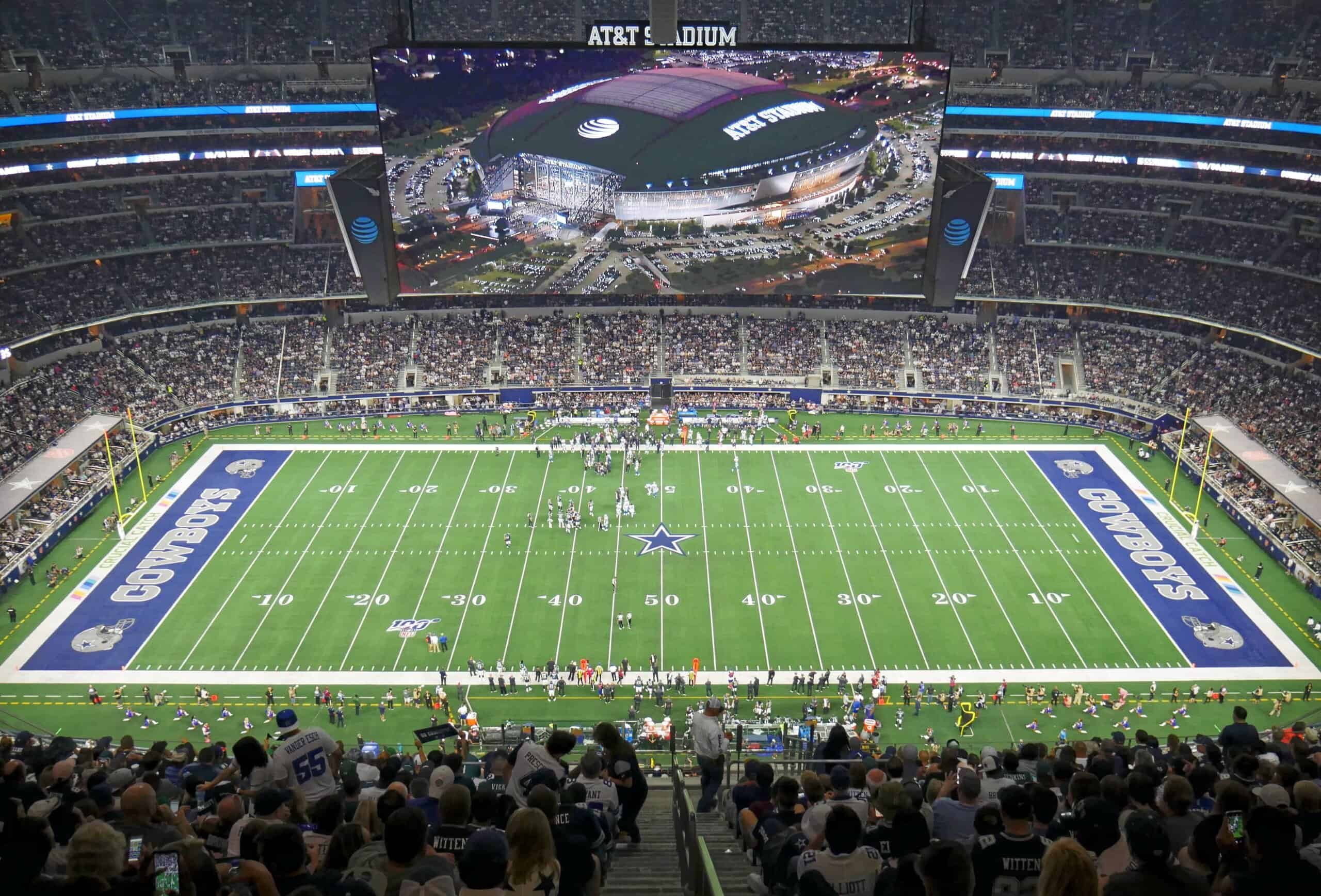
Tampa Bay walked into AT&T Stadium on Thursday night, October 8, without a win all season and walked out with a 24-16 victory. Dallas had gone in as the heavy favorite. A crowd of 92,351 watched the upset in Arlington, and the Cowboys left the building at 2-3.
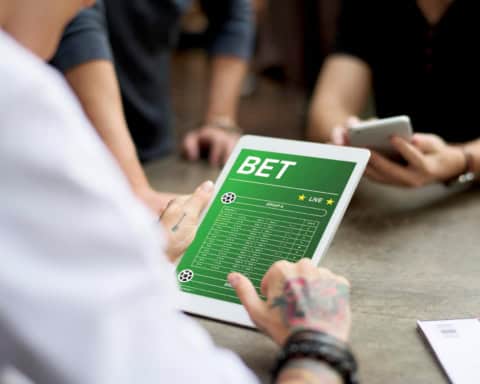
From those seats, nobody could have placed a legal bet on the game with a sportsbook. Texas treats a bet on a game’s result as an offense and licenses no sportsbooks, so any licensed bet on Thursday’s line had to be placed on the far side of a state line.
The state line to the north runs right past the team’s own casino partner, WinStar World Casino and Resort, which sits beside Interstate 35 about 85 miles from the stadium, and WinStar couldn’t have taken the bet either.
A 2018 Supreme Court ruling ended the federal ban on sports betting, and legislatures and voters in other states have authorized sportsbooks since.
Texas hasn’t. For a Cowboys fan, whether a bet is legal still comes down to geography, and the industry’s own forecast for this NFL season has the legal money elsewhere barely growing.
Texas law still treats a bet on the score as an offense
Texas wrote its ban wide.
Under Section 47.02 of the Penal Code, betting on a game’s “partial or final result” is an offense, and so is betting on how any one participant performs. Read against Thursday night, that wording reaches a bet on the final score and a bet on one receiver’s yardage alike, and either one can bring a fine of up to $500.
Section 47.03 goes after whoever sells the bet. Selling chances on “the margin of victory” in a game counts as gambling promotion, which writes the point spread into state law by description.
That’s a Class A misdemeanor, punishable by up to a year in jail, a fine of up to $4,000, or both. Under the same chapter, taking more than five bets, or more than $1,000 in bets, within 24 hours counts as bookmaking, and so does any scheme of three or more people to take or pass along a bet.
The 2025 session left all of it in place. A House resolution, HJR 134, proposed a constitutional amendment letting the Legislature legalize wagering on certain sporting events.
It went to the House State Affairs Committee and never came out. In the Senate, SJR 16 paired sports wagering with destination casino resorts and a new Texas Gaming Commission, and it stayed in committee until the session ended.
The Cowboys have sat on the other side of that fight.
In 2023, the Texas Tribune listed the team among the members of the Texas Sports Betting Alliance, a coalition of teams, racetracks and betting platforms, with former Gov. Rick Perry working alongside it. Even that push stopped short of the stadium: the bill the alliance backed left out in-person wagering at the venues where teams play, so it wouldn’t have put a betting window inside AT&T Stadium.
Sports betting legislation advanced from the House that year and died in the Senate, even though Lois Kolkhorst, a Republican senator the Tribune described as an ally of Lt. Gov. Dan Patrick, carried the alliance’s bill there.
Two years later, as the Tribune noted early this year, “neither casino nor sports gambling bills got traction in the House.”
Legal Cowboys bets run on laws passed somewhere else
Every licensed bet on Thursday’s game rested on a law adopted somewhere other than Austin. New Jersey put its sports wagering law into effect four weeks after the Supreme Court ruling, and its online provisions followed 30 days later.
It gives sports pools to Atlantic City’s casinos and the state’s racetracks, which can bring in online partners, keeps wagers inside the state and sets the minimum age at 21. The Division of Gaming Enforcement reported $61.4 million in sports wagering revenue from that group for August 2026.
Alberta’s turn came this summer. July 13, 2026, was the first day private operators could take bets in the province’s regulated online market, where they answer to AGLC, the provincial regulator, and nobody under 18 can register to bet.
A Cowboys game is one more NFL market on those books, and the league comes up beside the province’s own hockey and CFL markets when LineUps walks through online sports betting in Alberta.
The team’s casino partner sits on the side that voted no
WinStar, which the Chickasaw Nation owns, became the Cowboys’ official casino in 2018. By the team’s account, no NFL club had given a casino that designation before, and the deal came with exclusive use of the Cowboys’ logos and marks.
League owners had amended their rules that summer to allow it. Chickasaw Nation Governor Bill Anoatubby noted at the announcement that “hundreds of Chickasaws live in the Dallas area.” Sports Illustrated pointed out the same day that Oklahoma had not yet legalized sports betting.
Eight years on, that sentence still holds.
The relationship runs deeper than that announcement. WinStar president Jack Parkinson said this year that the casino has been a Cowboys partner since 2014.
Its second “WinStar Winners” campaign with the team, which asked fans to sign up online for a chance at prizes, drew 18,279 entries during the 2025 season, 5.6% more than the year before, across 11 giveaways over five months worth more than $430,000 in all.
Sports betting isn’t part of the arrangement, because Oklahoma hasn’t authorized its casinos to offer it. House Bill 1047 would have added sports betting to the state’s tribal gaming compacts.
It passed the Oklahoma House 62-31 in 2025, then failed on the state Senate floor on April 22 this year, with 21 votes for it and 27 against, after waiting on the Senate’s calendar for nearly a year. A motion to reconsider expired six days later.
The version senators turned down would have let a tribe such as the Chickasaw Nation sign a compact supplement and then take sports bets in person at its own casinos and by phone, both on its own land and elsewhere in Oklahoma.
Under the bill, every one of those bets would still have come from inside the state, so a fan in Arlington would have needed to cross the Red River to place one.
The NFL’s legal money stalled this year
The American Gaming Association, a Washington trade association for casino companies, estimated before kickoff that Americans would wager $29.5 billion on the 2026 NFL season through regulated commercial sportsbooks. It put the season before at $29.4 billion.
AGA chief executive Bill Miller said legalized sports betting “had seen tremendous growth” after the 2018 ruling. “But this year is different,” he added.
The group says commercial handle growth has slowed “significantly” since the start of last football season, and it blames prediction markets, platforms that sell event contracts on games and say state betting laws don’t apply to them.
The AGA speaks for the licensed side of that fight, and the courts haven’t settled it.
Federal appeals courts have split at an early stage of the lawsuits over those platforms, and on September 2 New Jersey asked the Supreme Court to review a ruling that went against the state.
New Jersey’s year-to-date figures, which run through August, show less money on football and a bigger cut for the books.
Its regulator counted $308.9 million wagered on football in completed events, down 24.3% from a year earlier, and sportsbooks kept 8.0% of it, twice the 4.0% they kept over the same stretch of 2025.
On parlays from every sport which tie several picks into one ticket, they kept 18.2%.
The Division of Gaming Enforcement labels all of those figures unaudited, and because the months covered take in last season’s playoffs and Super Bowl, they describe how one season finished more than how this one has started.
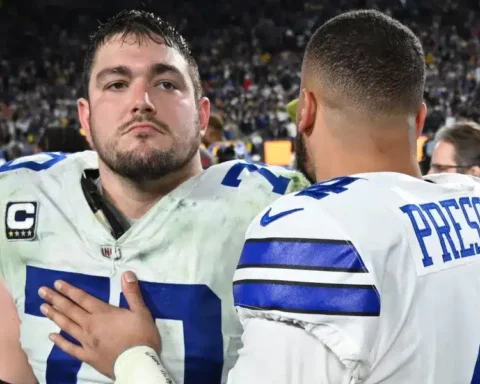
Thursday night showed how a big line can go wrong. Dallas went in as what Inside The Star’s recap called “a massive favorite” against a winless team and lost by eight.
On the moneyline, backing a heavy favorite means risking far more than the bet can win, and on Thursday that trade lost.
Nothing on the Texas calendar changes this season
The Texas Legislature won’t meet in regular session again until the second Tuesday of January, the date state law sets for sessions in odd-numbered years.
Even then, a constitutional amendment needs the votes of two-thirds of the members of each chamber before it goes to voters, who then have to approve it by majority. The Legislature also sets the date of that election.
The politics haven’t softened. Patrick vowed in both of the last two sessions that the Senate wouldn’t even vote on pro-gambling bills, and he won the Republican nomination for a fourth four-year term in this year’s primary.
The Tribune’s verdict was that the deadlock “looks unlikely to break any time soon.”
Alberta keeps moving the other way. The Alberta iGaming Corporation’s directory listed 41 registered sites, sportsbooks and casinos together, on October 9, nearly twice the number the province opened with in July.
Facebook is also home to the brand that walked readers through that market earlier: LineUps on Facebook.
The Cowboys visit Green Bay on Sunday night, October 18, and nothing in Texas law will be different by kickoff.
If the Legislature ever sends a sports betting amendment to the ballot, the call will belong to Texas voters, Cowboys fans among them, and not to the team or its casino partner up the interstate.
Was this helpful?