The NFL reaches viewers far outside the United States now. Games air live across Europe, Latin America, and Asia, and plenty of players have built followings among people who have never been to an American stadium. Global fame doesn’t come from touchdowns alone or from one catch that loops on highlight shows for a week.
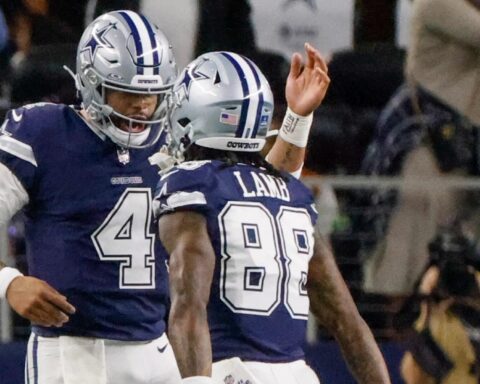
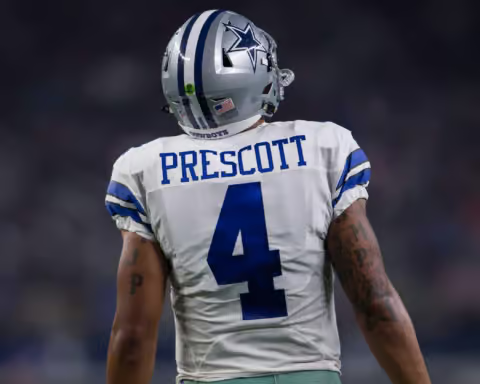
Dak Prescott is a good example of that shift. The Dallas Cowboys quarterback has built a public identity that goes past his stat line, and his leadership, community work, and steady presence in front of cameras have made him more than just a successful player.
Why Popularity Matters in Today’s NFL
A contract doesn’t tell the whole story anymore. A player’s public profile shapes how much he earns away from the field, because brands pay for reach and credibility as much as production, which is why stars with big audiences often pull in endorsement deals worth far more than a standard ad campaign.
That reach matters to teams too. A quarterback with millions of followers gives a franchise direct access to fans, pushing jersey sales, raising interest in prime-time games, and making the team more visible well beyond the U.S.
The Unique Spotlight That Comes With Playing for the Cowboys
Dallas sits in a category of its own. Forbes has reported that the Cowboys bring in more revenue than any other NFL team, topping $1 billion a year — a figure tied to decades of national TV exposure and a fan base built during the franchise’s title runs in the 1970s and 1990s.
That fame comes with a price. Playing quarterback for Dallas means every game is picked apart on national shows, every throw gets replayed, and every decision can stay in the news cycle for days. Attention like that can hurt a reputation quickly, and it can make a player’s name travel even faster.
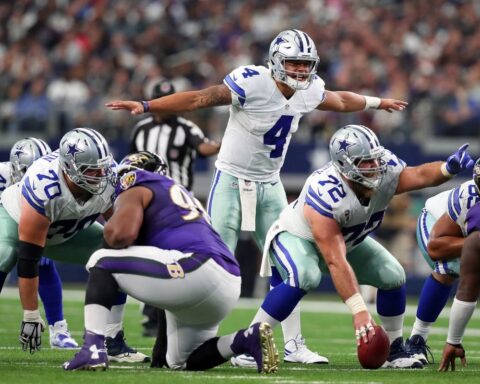
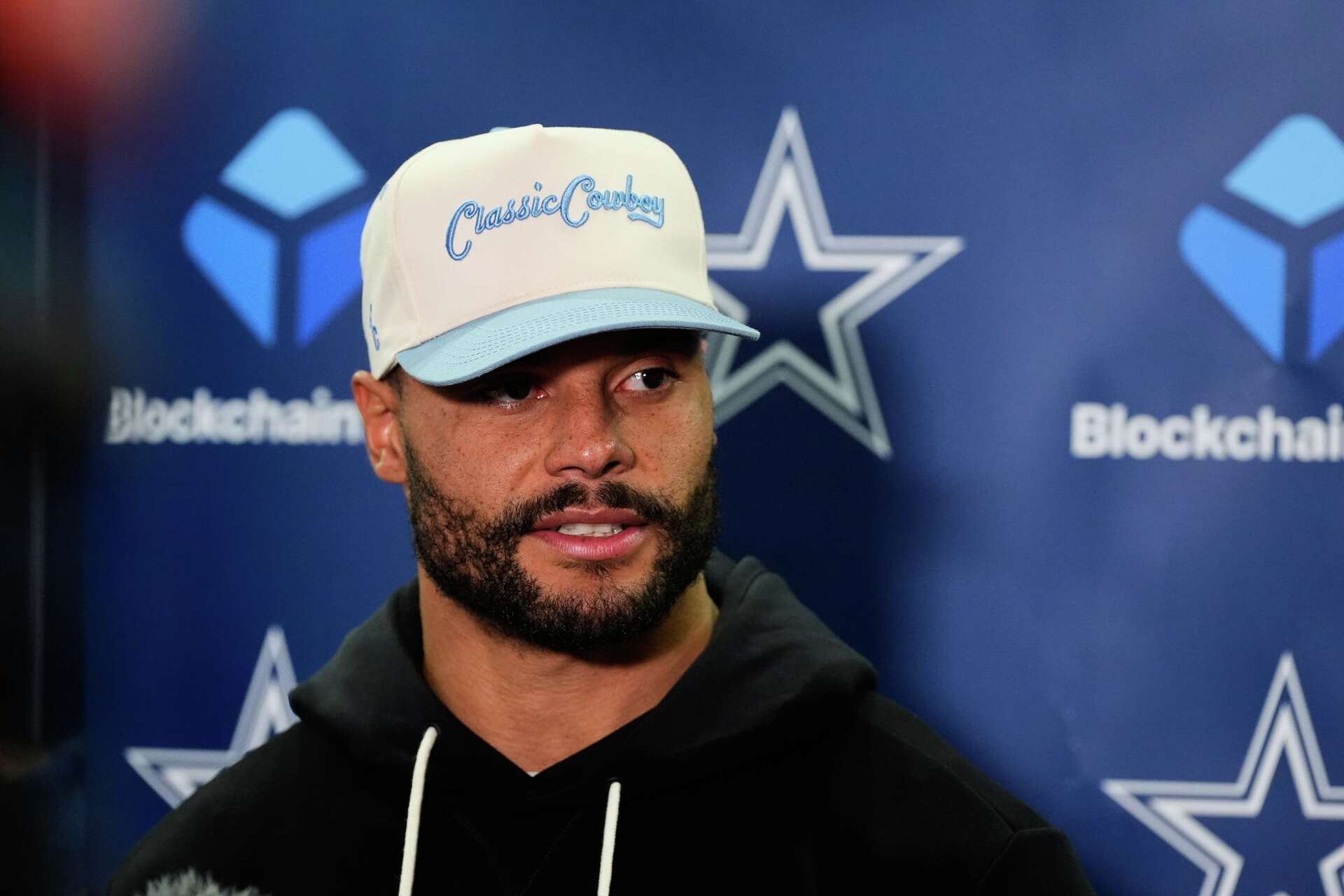
Prescott arrived as a fourth-round pick in 2016 with no expectation that he would start right away. His calm press conferences and steady play under pressure won over fans who wondered whether he could really be a franchise quarterback for the long haul — the player a team expects to build around for years.
How Leadership Builds a Player’s Reputation
In football, leadership usually becomes easiest to spot after something goes wrong. Prescott’s severe ankle injury in 2020 ended his season after five games, and his recovery and return the following year became part of the story fans followed, even those who never checked a passing chart on Sunday.
Off the field, he spoke openly about mental health after his brother’s death, giving a recognizable face to a subject many athletes still keep private. Inside a locker room, leadership is built on trust. Offensive linemen and receivers need to know their quarterback will own mistakes and handle criticism fairly, and Prescott’s habit of shifting credit to teammates in interviews tends to register well with both players and fans.
The Role of Social Media and Fan Engagement
A lot of this changed once athletes started speaking to fans without a reporter in the middle. LeBron James helped normalize that in basketball, and NFL players followed, especially because the league’s shorter season leaves a long offseason where attention can fade.
Prescott’s accounts feel more personal than polished. He shares workout clips, community events, and the occasional reflective post rather than treating every upload like an ad. Engagement — likes, comments, shares, and saves — often says more about real fan interest than follower count alone.
Why Some Players Become Global Ambassadors for the Sport
The NFL’s push overseas asks for more than star power. The league stages regular-season games in London, Munich, and Mexico City, and the players featured there are expected to handle extra interviews and connect with fans who may still be learning the sport.
Tom Brady’s international profile grew from years of success, but also from a willingness to step outside the usual NFL routine. He appeared at international promotional events and made time for outlets around the world, helping the league compete for attention in places where soccer and rugby already dominate.
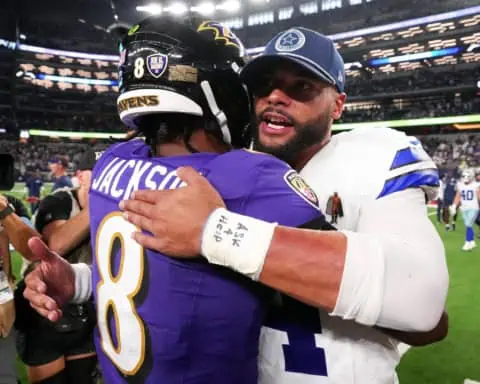
Prescott gets his first real turn at that job this month. The Cowboys host the Ravens at Maracanã Stadium in Rio de Janeiro on Sept. 27, the NFL’s first regular-season game in Rio and Dallas’ first game abroad since 2014 — and Prescott, who has said he has never played an international game, will be the face of it.
What the Next Generation of NFL Stars Can Learn
The job looks different for young players now. Football still comes first, but public-facing work matters too, and the players who become household names usually do a few things consistently:
- Show personality without forcing it. Fans respond to players who sound like themselves in interviews and online.
- Handle mistakes in public. Owning a bad game or a poor decision plays better than deflecting blame.
- Stay visible off the field. Community work and media availability give casual fans a reason to keep paying attention.
Once that visibility grows, the next question is which players actually have the biggest global footprint. One useful snapshot is this list of the world’s most popular NFL players, which shows how star power typically comes from some mix of performance, market size, and public presence.
Conclusion
The move from NFL star to global icon involves more than touchdowns and championships. A player’s response to setbacks, how he speaks to fans, and how he handles an international spotlight all shape how lasting that popularity becomes.
Prescott’s rise makes the point clearly. The platform that comes with a historic franchise can amplify consistency, accountability, and connection — and as the NFL keeps expanding abroad, players who pair performance with public trust will likely define the league’s next group of global stars.
Was this helpful?