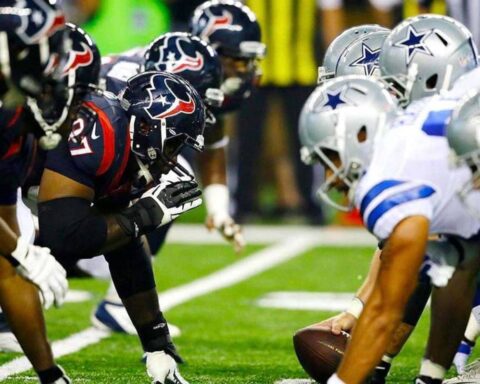
There are still a few months to go before the Cowboys kick off their 2026 preseason, but the drumbeat in Dallas has already started to build.
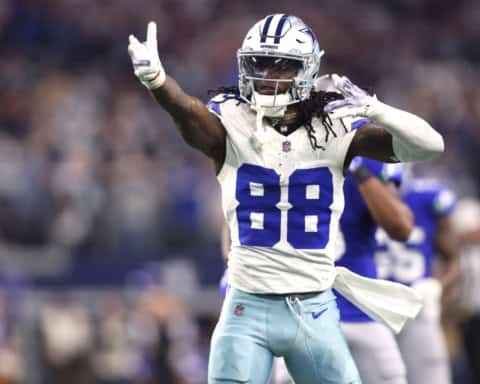
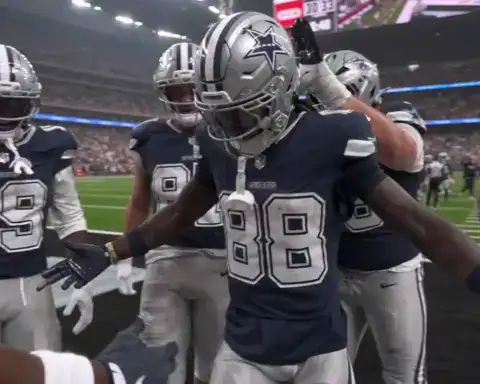
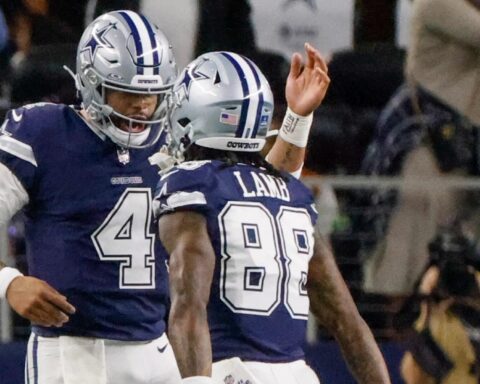
Dak Prescott, CeeDee Lamb and George Pickens headline an attack that averaged almost 28 points per game last season, ranking seventh in the NFL.
New defensive coordinator Christian Parker arrives with a mandate to overhaul the unit that helped sink a 7-9-1 campaign in 2025. The mood around the franchise is one part excitement, one part unfinished business.
So how did a team once priced among the Super Bowl favorites drift so far down the futures board? Whether you follow the Cowboys as a fan or track NFL lines through an online sportsbook, the last three seasons have told a story worth understanding.
BetMGM’s futures pricing on Dallas across that window captures just how dramatically the market’s view of this franchise has shifted, from credible contender to longshot, and now to something harder to define.
In this article, we reflect on the last three years and assess where the odds have ebbed and flowed.
2023
The summer of 2023 opened with Dallas priced between +1500 and +2000 in Super Bowl futures, a range that reflected genuine optimism and the gravitational pull of the star on the helmet.
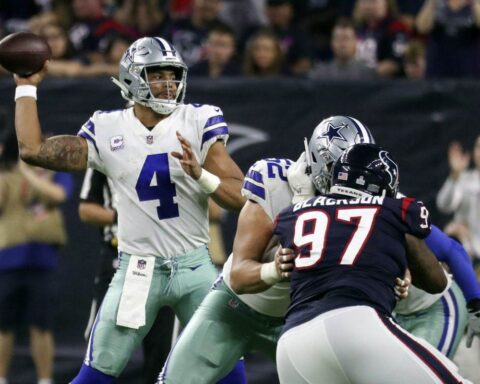
The Cowboys entered the year off consecutive 12-5 regular seasons. Dak Prescott had reasserted himself as one of the better quarterbacks in the NFC.
CeeDee Lamb was ascending into elite receiver territory. Micah Parsons had become the kind of defensive force who reshapes offensive game plans before the snap.
Public money poured in early, as it always does for America’s Team, keeping the numbers shorter than pure analytics might have suggested.
Then the season ended the way so many Cowboys seasons do. Green Bay came to AT&T Stadium in the wild card round and left with a win. Dallas had scored 58 points in their final two regular-season games. They managed 32 against the Packers.
For a team that had been priced as a legitimate championship threat, losing at home in the first round to a 9-8 visitor was the kind of result that stays in a sportsbook’s memory.
The Cowboys could still carve up a regular-season schedule. Winning when January tightened the margins was something else entirely.
2024
Just 12 months later, the futures had drifted to around +1900. The number looks close to where Dallas had been, but the reasoning behind it had changed completely.
The previous January’s playoff exit lingered, and the offseason gave little reason for confidence. Key veterans departed. Contract disputes created noise in the building. The front office did not add the kind of difference-maker the roster needed at the point of attack.
Through the 2024 season, the same patterns emerged. The offense remained capable, productive in stretches, dangerous enough to put points on anyone.
The defense kept leaking. Dallas finished the year missing the playoffs again, a franchise with a $240 million quarterback, one of the game’s best young receivers and a defense that could not consistently hold a fourth-quarter lead.
That contradiction, week after week, told bettors everything they needed to know. The Cowboys were still covered by public money in individual games, propped up by loyalty and name recognition. In the futures column, trust was running out.
2025
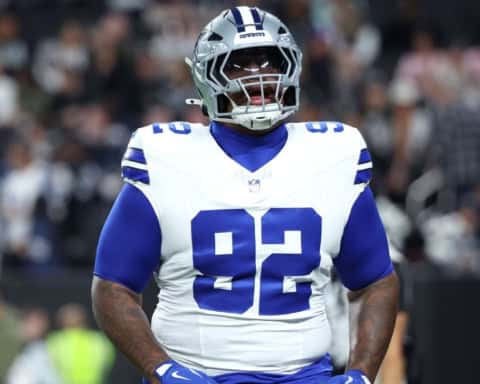
The 2025 season stripped away whatever goodwill remained. No team in the NFL gave up more points. No team allowed more yards per pass play.
Dallas finished dead last in third-down success rate allowed, a number that translated directly to drives that should have ended on third-and-eight turning into touchdowns.
A December loss to the Chargers distilled the whole season: Prescott threw for 244 yards and two touchdowns, and the Cowboys still lost by 17. The offense was not the problem. It never was.
The trade of Parsons to the Packers had removed the one figure capable of masking structural issues on the other side of the ball, and without him those issues had nowhere to hide. Prescott finished second in the league in passing yards per game.
The offensive line ranked sixth in sacks allowed per pass attempt. Pickens gave the unit a second genuine vertical threat. A 7-9-1 record and an early exit from playoff contention was the return on all of it.
Why Others Leapfrogged Dallas
Across the same three-year window, a specific group of franchises built the kind of profiles that futures markets reward.
The Lions went from punchline to legitimate NFC threat, pairing an ascending offense with a defensive identity and genuine January wins.
Buffalo remained consistently dangerous on both sides of the ball across multiple postseasons. The Ravens drafted well, developed well and never had a year where the defense simply stopped functioning. Seahawks won the Super Bowl in 2025 on the back of a disciplined defensive system that held together when it mattered most.
What separated those teams from Dallas was not always talent. It was coherence. Each of those franchises knew what it was trying to do defensively, built depth at the right positions and executed a plan across a full season. The Cowboys lurched.
Big wins followed by defensive meltdowns. Promising stretches ending in fourth-quarter collapses. The Cowboys were used situationally by bettors, not backed with conviction.
2026: Can a Defensive Reset Rewrite the Odds?
The conversation starts and ends with Christian Parker. At 34, the youngest defensive coordinator in Cowboys history, Parker arrives from Philadelphia having helped develop Quinyon Mitchell and Cooper DeJean into key contributors on a Super Bowl-winning Eagles defense.
He runs a version of the Vic Fangio system, communication-heavy and built around assignment discipline. Busted coverages were a weekly occurrence in 2025. According to Sports Info Solutions, Dallas gave up the third-most explosive plays through the air and the fifth-most on the ground.
Parker’s scheme is designed to eliminate that kind of confusion before it starts. First-round pick Caleb Downs, edge rushers Rashan Gary and Malachi Lawrence, and overhauled linebacker depth represent the most serious defensive investment this franchise has made in years. Whether it translates in year one is the only question that matters.
Final Thoughts
Three seasons, three playoff misses and a defensive collapse that became historically bad. That is the arc Dallas has traveled since 2023, all while Prescott kept producing, Lamb kept making plays and the offense remained one of the better units in the conference. The talent was never the problem. The foundation beneath it was.
Parker’s arrival changes the central argument around this team. If Dallas can look even league-average on defense, the offense is good enough to drive a genuine NFC East title challenge. The market is waiting for evidence rather than intention. After three years of the same story, that skepticism is completely fair.
Was this helpful?